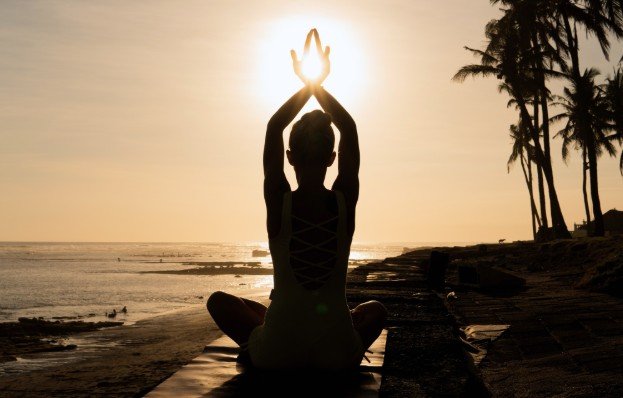

Some emotional wounds stay hidden beneath busy routines, endless scrolling, and smiling through exhaustion. Meditation for inner healing became a gentle reset during one of those emotionally heavy seasons where stress felt stored in both the mind and body. Slowly, moments of silence started creating clarity, emotional release, and a deeper spiritual connection that no distraction could provide.
Key Takeaways
- Meditation for inner healing supports emotional and nervous system recovery
- Breathwork and mindfulness help reduce chronic stress and emotional overwhelm
- Spiritual healing meditation encourages self-awareness and inner peace
- Somatic practices and guided visualizations deepen emotional release
- Consistency matters more than long meditation sessions
Why Meditation For Inner Healing Works
Mindfulness meditation also improves emotional awareness. Instead of suppressing difficult emotions, people slowly learn how to sit with them safely. That emotional processing creates more balance, resilience, and mental clarity over time.
Meditation Supports Emotional Recovery
Unprocessed emotions rarely disappear on their own. Stress, heartbreak, rejection, and burnout often stay trapped inside the body. Meditation creates space for emotional release without judgment or pressure. Even short daily sessions can help reduce emotional overwhelm and increase feelings of calm and stability.
Spiritual Healing Creates Inner Connection
Stillness often reveals what constant noise hides. Spiritual meditation practices encourage deeper self-reflection, compassion, forgiveness, and trust in your own intuition. Many people begin meditation seeking stress relief but eventually discover emotional healing and spiritual growth unfolding naturally together.
The Nervous System Needs Rest

A regulated nervous system supports better healing. Breath awareness, mindfulness, and guided healing meditation help calm racing thoughts and relax physical tension. Over time, the body learns how to leave survival mode and enter a calmer restorative state.
Choose Your Healing Pathway With Meditation
Different emotional experiences require different healing approaches. Meditation for inner healing becomes more effective when practices are personalized to emotional, physical, or mental needs. Healing looks different for everyone, which is why flexible mindfulness techniques often work best.
Emotional Trauma Healing
Inner child guided meditations can gently support emotional healing. These practices encourage people to visualize and comfort younger versions of themselves that still carry fear, sadness, abandonment, or shame. This creates emotional safety while helping release unresolved emotional pain with compassion instead of self-criticism.
Physical Pain Support
Mind-body visualizations can support physical relaxation. Many healing meditations involve directing soothing radiant energy toward specific areas of physical discomfort or tension. While meditation is not a replacement for medical care, mindfulness practices may help reduce stress-related physical discomfort and improve overall well-being.
Mental Exhaustion Recovery
Somatic body scans help release stored stress. Mental burnout often lives inside the body as muscle tightness, fatigue, headaches, or nervous tension. Slow body scan meditations encourage awareness of physical sensations while helping muscles gradually soften and relax.
How To Practice Meditation For Inner Healing Daily
Small consistent practices create meaningful emotional shifts. Meditation for inner healing does not require perfect silence, complicated rituals, or long sessions. A calm environment, intentional breathing, and emotional honesty are enough to begin reconnecting with yourself.
Settle Your Frame
Comfort helps the body relax more deeply.
Sit comfortably with a straight spine or lie flat in a quiet space where the body feels supported. Allow the shoulders, jaw, and hands to soften naturally. Creating physical comfort helps signal safety to the nervous system.
Anchor Your Breath
The breath regulates emotional energy. Inhale slowly for four counts while expanding the belly fully. Exhale gently and release tension with every breath. Deep breathing slows the stress response and encourages the body to move into a calmer emotional state.
Purify The Energy
Visualization deepens emotional release. Imagine inhaling warm golden light and exhaling heavy gray mist from the body. This visualization helps many people mentally release emotional heaviness, fear, sadness, or lingering stress stored within the nervous system.
A Simple 10-Minute Meditation For Inner Healing
Short healing sessions can still feel powerful. Even ten intentional minutes each day can improve emotional regulation, mindfulness, and spiritual awareness. Consistency matters more than intensity when building a healing meditation practice.

Isolate The Pain
Awareness creates emotional clarity. Visualize emotional pain, grief, fear, or physical tension as a separate object outside yourself. This gentle separation often helps people observe emotions without feeling completely consumed by them.
Dissolve The Weight
Release emotional heaviness slowly. Imagine that object dissolving, floating away, or transforming into light. Guided visualizations like this help support emotional processing and reduce mental overwhelm in a calming manageable way.
Affirm Wholeness
Words shape emotional healing. Repeat silently, “I am safe, I am whole, I am healing.” Positive affirmations support nervous system regulation while reinforcing feelings of emotional safety and self-compassion.
Guardrails For Safe Inner Healing
Healing should feel supportive, not overwhelming. Meditation for inner healing sometimes brings buried emotions to the surface. Practicing emotional gentleness and self-awareness helps create a safer healing experience.
Trauma Sensitivity Matters
Stillness can feel intense for some people. If meditation increases panic, fear, or emotional distress, gently open your eyes and reconnect with your surroundings. Grounding techniques like touching nearby objects or focusing on slow breathing can help restore emotional safety.
Movement Is Also Meditation
Healing does not always require sitting still. Walking barefoot on grass, mindful stretching, or slow breath-focused movement can feel more supportive than silent seated meditation for people carrying heavy emotional stress.
Compassion Comes First
Never force positivity over real emotions. Sadness, anger, grief, and exhaustion deserve acknowledgment instead of suppression. Healing meditation works best when emotions are allowed to exist honestly without shame or pressure to “feel better” immediately.
Journaling After Meditation For Inner Healing
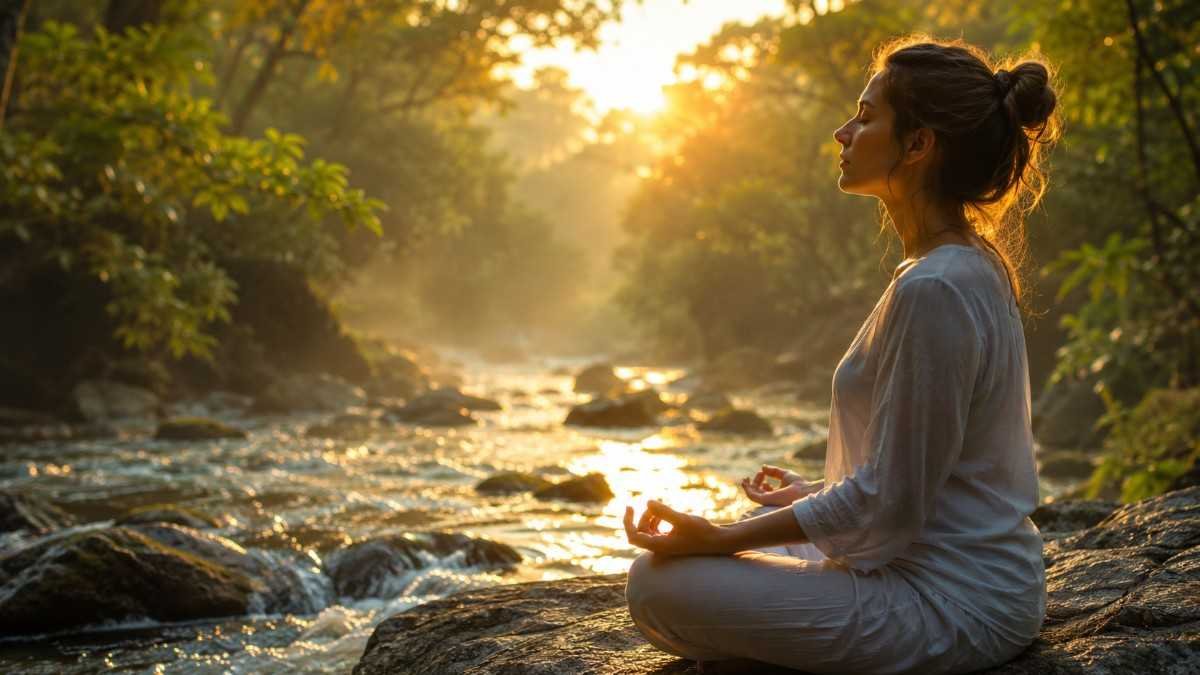
Reflection strengthens emotional awareness. Post-meditation journaling helps process lingering emotions, insights, and intuitive thoughts that surface during healing practices. Writing freely without editing or overthinking often reveals patterns and emotional truths the conscious mind usually avoids.
Many people find it helpful to journal for around twelve minutes immediately after meditation. This creates emotional release while helping organize thoughts, reduce mental clutter, and deepen self-awareness over time.
Journaling also supports spiritual healing and growth by helping track emotional progress, healing breakthroughs, and recurring emotional patterns that deserve compassion and attention.
Frequently Asked Questions
1. Is meditation good for people with schizophrenia?
Meditation may help some individuals manage stress, but intensive meditation can worsen symptoms for certain people. Professional mental health guidance is recommended.
2. Can meditation help with cortisol?
Yes. Meditation may help lower cortisol levels by calming the nervous system and reducing chronic stress responses over time.
3. Can meditation help with autoimmune disorders?
Meditation cannot cure autoimmune disorders, but it may support stress reduction, emotional wellness, and improved quality of life alongside medical treatment.
4. Can meditation heal acne scars?
Meditation does not remove acne scars directly, but reducing stress through mindfulness may support healthier skin and overall wellness.
Your Soul Called, It Wants Peace Back
Healing is rarely loud or dramatic. More often, it unfolds quietly through mindful breaths, emotional honesty, and moments of stillness that slowly rebuild inner peace. Meditation for inner healing offers more than temporary relaxation.
It creates space to reconnect with yourself emotionally, mentally, physically, and spiritually. With patience and consistency, healing becomes less about fixing broken parts and more about remembering the wholeness that was always there underneath the pain.