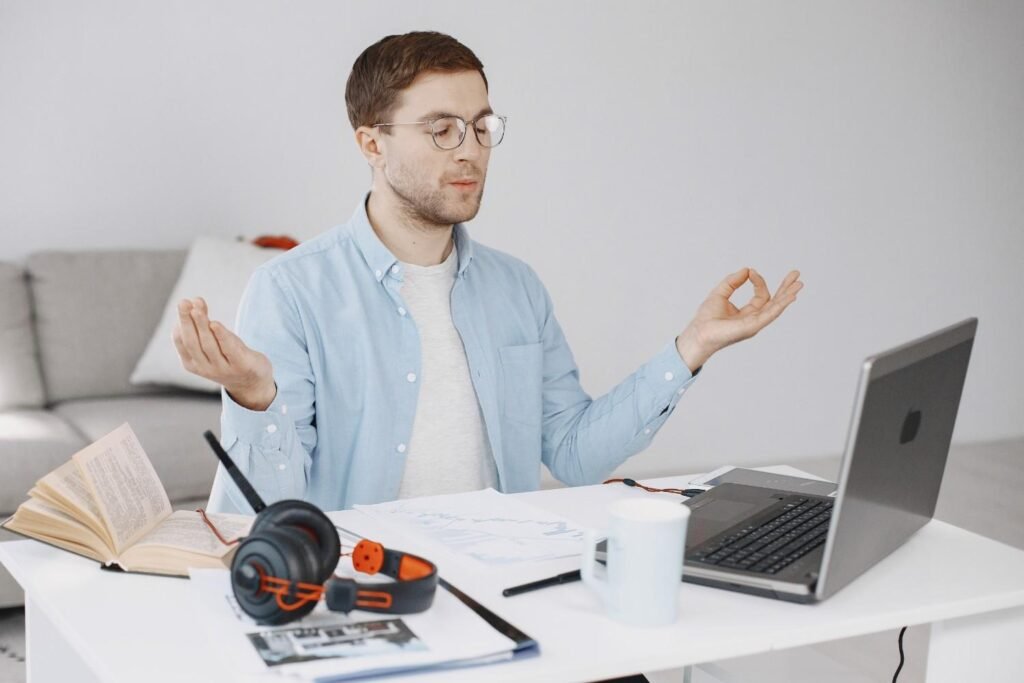
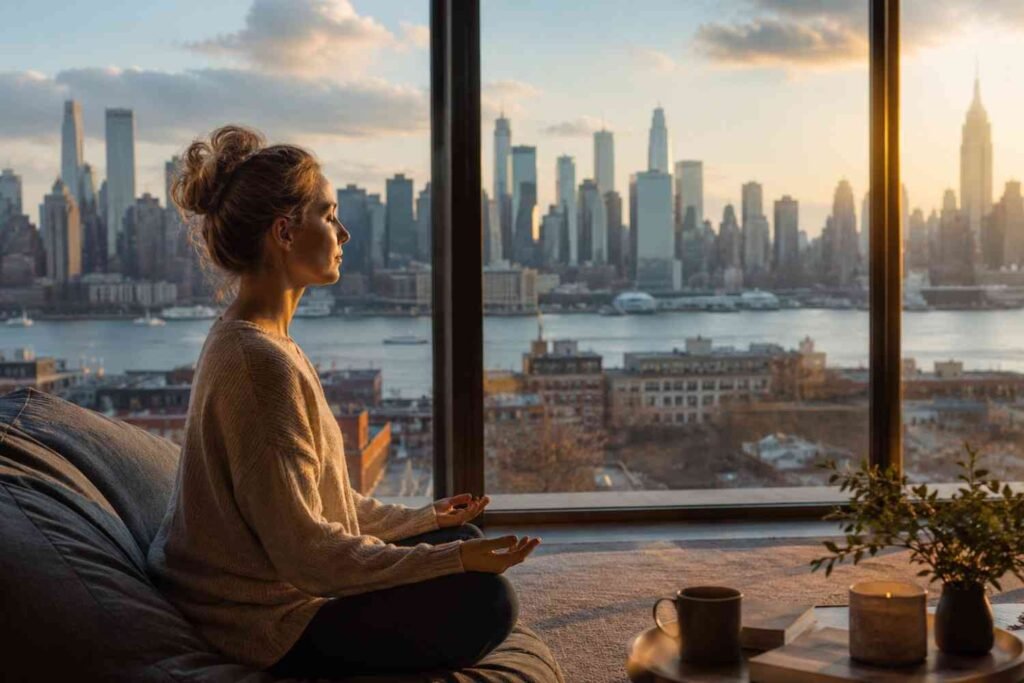
Some days, the mind refuses to slow down. You finish one task and immediately think about five more. Notifications keep interrupting your attention, random worries replay in loops, and even quiet moments feel mentally loud. A lot of people assume mindfulness should instantly create peace, but for anyone dealing with overstimulation or constant stress, sitting still can actually feel uncomfortable at first.
That’s why calming mindfulness exercises work best when they feel practical instead of forced. The goal is not to “empty your mind” completely. It’s to gently interrupt the mental noise long enough for your nervous system to settle. Many mindfulness practices help activate the parasympathetic nervous system, which signals safety to the brain and slowly reduces the physical stress response connected to racing thoughts and emotional overload.
Why Overactive Minds Struggle to Slow Down

Modern routines constantly train the brain to stay alert. Endless scrolling, multitasking, background noise, and digital overstimulation make it harder for the nervous system to recognize rest.
A lot of people also misunderstand mindfulness. They expect immediate calm and become frustrated when thoughts continue appearing. In reality, mindfulness practices work more like attention training. The goal is learning how to gently return focus to the present moment without judging yourself every time the mind wanders.
This matters because mental fatigue often shows up physically, too:
- shallow breathing
- muscle tension
- restlessness
- sleep disruption
- emotional irritability
Calming mindfulness exercises help reconnect awareness to the body, which naturally slows stress responses over time.
Sensory Grounding Exercises Quickly Interrupt Racing Thoughts
One of the fastest ways to calm mental overwhelm is shifting attention outward through sensory awareness. Grounding techniques work because they pull focus away from spiraling thoughts and back into the immediate environment.
The 5-4-3-2-1 method remains one of the most effective mindfulness exercises for anxiety because it creates structure during overstimulation.
The process is simple:
- Identify five things you can see
- Notice four things you can touch
- recognize three sounds around you
- Identify two scents
- Focus on one thing you can taste
This exercise forces the brain to reconnect with physical surroundings instead of remaining trapped in repetitive thinking loops.
Another helpful option is the 333 Rule:
- Name three nearby objects
- Identify three sounds
- move three body parts intentionally
The simplicity makes it especially useful during stressful workdays or emotionally overwhelming moments.
Breath Control Helps Regulate the Nervous System

Breathing patterns change dramatically during stress. Most people begin taking shallow, rapid breaths without noticing it. Controlled breathing exercises help reverse that response by signaling safety to the body.
One calming technique that works surprisingly quickly is the 4-8 breathing method.
Inhale slowly through your nose for four seconds, then exhale through your mouth for eight seconds. Longer exhalations help reduce heart rate and relax the nervous system naturally.
Another effective practice is the three-part wave breath. Instead of breathing shallowly into the chest, focus on filling the lower abdomen first, then the ribs, and finally the upper chest.
Visualizing breath moving like an ocean wave through the body often helps people stay mentally present during the exercise.
These types of mindful breathing exercises are especially helpful before sleep, after stressful conversations, or during periods of emotional overwhelm.
Physical Awareness Exercises Bring Attention Back to the Body
Overthinking often disconnects people from physical awareness completely. Hours can pass without noticing posture, breathing tension, or physical exhaustion.
That’s why somatic mindfulness techniques can feel so grounding.
One simple exercise involves focusing entirely on the sensation of your body making contact with a chair or floor. Instead of analyzing thoughts, attention shifts toward pressure, temperature, and physical sensation.
Progressive muscle relaxation works similarly. Tighten a muscle group while inhaling, then fully release it while exhaling.
Many people do this gradually throughout the entire body:
- hands
- shoulders
- jaw
- legs
- feet
The release often reveals how much tension the body has been carrying unconsciously.
Head-to-toe body scans also improve self-awareness by encouraging slow observation without judgment. Instead of trying to “fix” sensations, the goal becomes simply noticing them.
Rhythmic Movement Can Feel More Natural Than Meditation
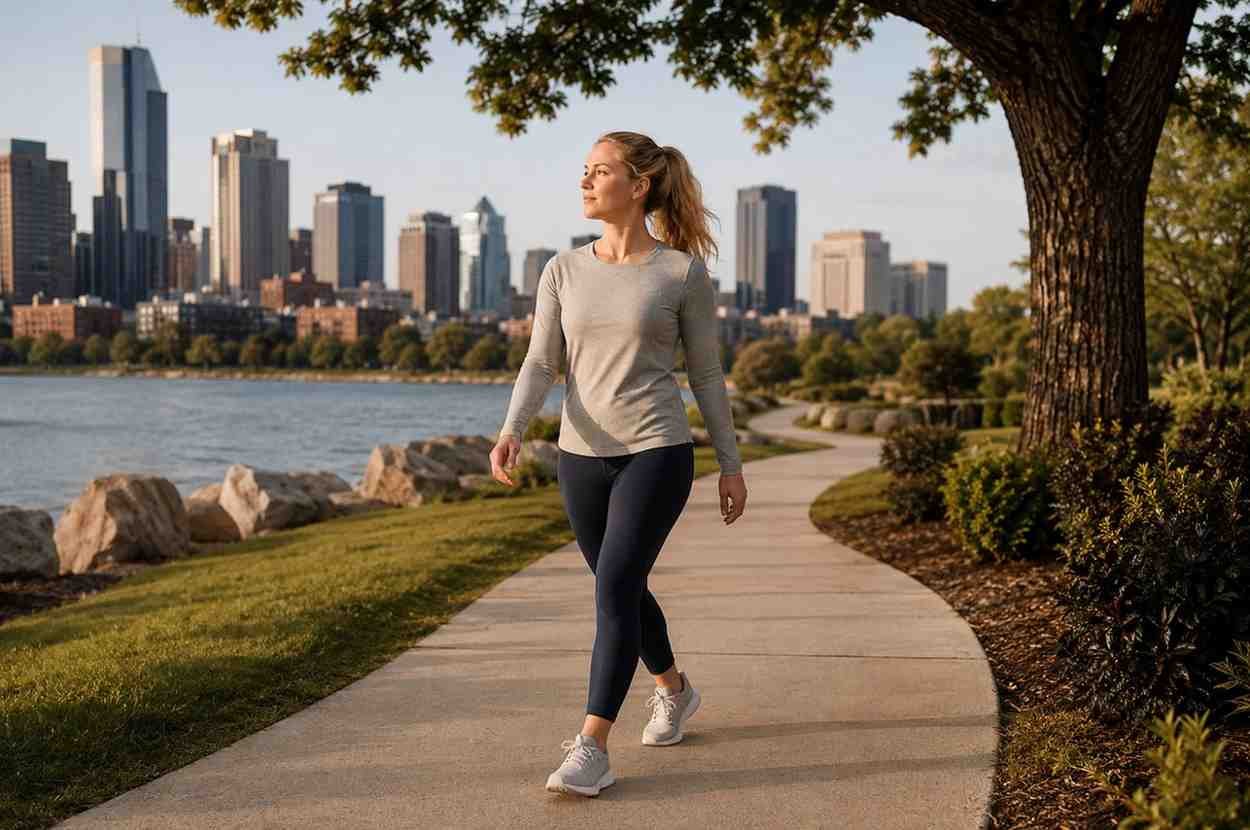
Not everyone relaxes by sitting still. For many people, movement-based mindfulness feels easier because the body stays engaged while the mind settles gradually.
Rhythmic activities like:
- walking
- swimming
- jogging
- cycling
- stretching
naturally create repetitive patterns that calm mental chatter.
Mindful walking works especially well because it combines movement with sensory awareness. Paying attention to footsteps, breathing rhythm, temperature, and surrounding sounds helps anchor attention in the present moment.
This is also where the environment matters more than people realize. Learning how to create mindful home environment can make mindfulness exercises feel far more effective because the nervous system responds strongly to surrounding noise, clutter, and sensory overload.
Small environmental changes often reduce mental fatigue without requiring dramatic lifestyle shifts.
Guided Mindfulness Resources Help Reduce Mental Resistance
A lot of beginners struggle with mindfulness because silence feels intimidating. Guided audio or video sessions can reduce that resistance by giving the brain something gentle to follow.
Platforms like Headspace and YouTube now offer:
- guided visualizations
- short breathing exercises
- sleep meditations
- anxiety reset sessions
- body scan practices
Short sessions often work better for beginners than long meditations. Even ten minutes of intentional nervous system regulation can noticeably improve focus and emotional balance throughout the day.
The important part is consistency rather than perfection.
FAQs: Calming Mindfulness Exercises That Help Quiet an Overactive Mind
1. What is the best mindfulness exercise for anxiety?
Grounding techniques like the 5-4-3-2-1 method work especially well for anxiety because they shift attention away from racing thoughts and back into the present moment.
2. How long should mindfulness exercises last?
Mindfulness exercises do not need to be long. Even five to ten minutes of focused breathing or grounding can help calm mental overstimulation.
3. Can mindfulness exercises improve sleep?
Yes. Breathing exercises, body scans, and guided meditations can help relax the nervous system and reduce mental activity before sleep.
4. Why does mindfulness feel difficult at first?
Many people are used to constant stimulation and mental activity. Slowing down can initially feel uncomfortable because the brain is not accustomed to quiet attention and stillness.
The Mind Usually Calms Gradually, Not Instantly
One of the biggest misconceptions about mindfulness is expecting immediate peace. Most overactive minds do not suddenly become quiet after one breathing exercise or meditation session. What usually changes first is awareness. You begin noticing tension earlier, catching spiraling thoughts faster, and creating small moments where the nervous system finally gets permission to slow down.
That gradual shift matters more than perfection. Mindfulness works best when it becomes part of daily life instead of another stressful thing to “master.” Even small calming routines can slowly create more mental clarity, emotional balance, and space to breathe throughout the day.