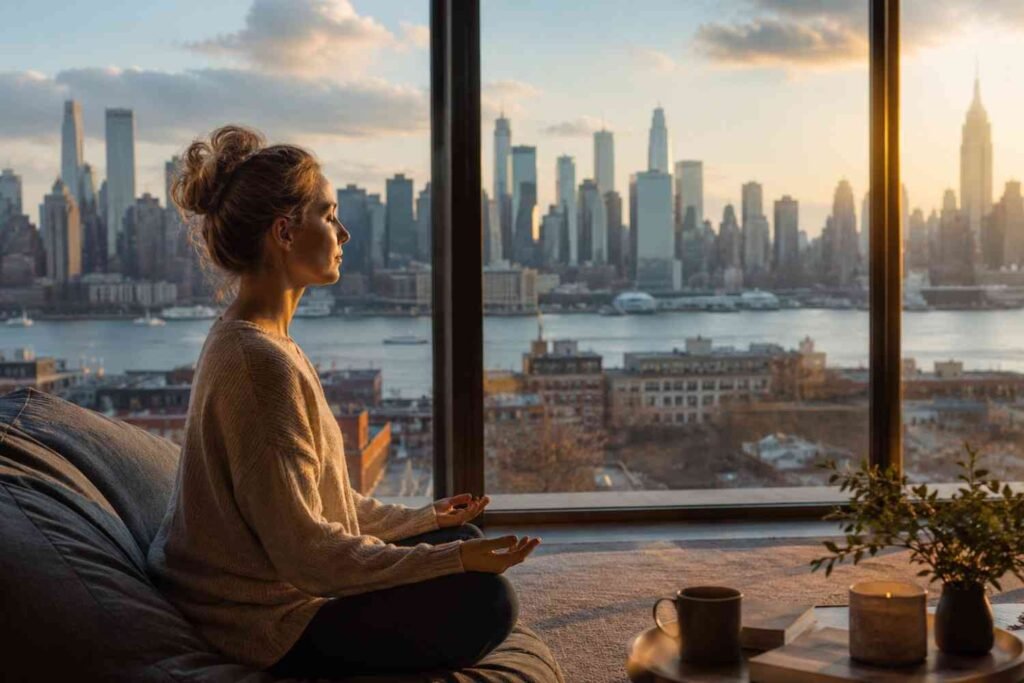

For a long time, I thought stress came mostly from work, deadlines, or major life problems. What I didn’t notice was how much pressure came from smaller things constantly competing for attention. Notifications, cluttered spaces, unfinished tasks, overloaded schedules, and endless consumption slowly created a kind of background noise that never fully disappeared.
That’s what eventually pushed me toward mindful minimalist living. Not because I wanted a perfectly aesthetic home or a trendy lifestyle, but because I was mentally exhausted. Once I started simplifying my routines, reducing distractions, and becoming more intentional about what actually deserved my energy, everyday stress started feeling different. It didn’t disappear completely, but it stopped controlling every part of the day.
Modern Life Creates More Mental Clutter Than We Realize

Most people associate clutter with physical mess, but mental clutter is usually the bigger issue. Constant stimulation keeps the brain in a reactive state for hours at a time. Social media, crowded schedules, digital notifications, excessive multitasking, and endless consumer choices quietly drain mental energy.
That overload contributes heavily to decision fatigue. Even small choices start feeling exhausting when the brain never gets enough quiet space to recover.
Mindful minimalist living works differently because it encourages intentionality instead of constant accumulation. Instead of adding more systems, products, routines, or distractions, it focuses on removing what no longer serves a purpose.
That shift creates more mental clarity than many people expect.
Owning Less Reduces More Stress Than You Think
One thing people rarely talk about is how much maintenance comes with owning too much. More possessions usually mean:
- more cleaning
- more organizing
- more financial pressure
- more visual distractions
- more mental attachment
A cluttered environment constantly pulls attention in different directions. Even when people stop consciously noticing the mess, the brain still processes it visually.
Research around environmental psychology and stress management continues to show how cluttered spaces can increase feelings of overwhelm and anxiety. Cleaner, more intentional environments often help reduce cortisol-related stress responses while improving focus and emotional balance.
What surprised me most was not the physical difference but the emotional one. Once unnecessary clutter disappeared, my home stopped feeling like another unfinished task.
Minimalism Feels Different When It Becomes Mindful

A lot of people misunderstand minimalism because social media often turns it into a visual trend. Empty white rooms and perfectly organized shelves became the focus, while the emotional side of mindful living got ignored.
Mindful minimalism is less about owning the fewest things possible and more about becoming aware of what actually improves your life.
That awareness changes daily behavior slowly:
- spending becomes more intentional
- Routines feel calmer
- distractions lose some control
- schedules become less overloaded
- emotional energy feels more protected
This is also where a mindful spiritual journey naturally connects with minimalist living. Once people become more intentional with their environment, they often start paying closer attention to their emotional habits, inner peace, and relationship with time itself.
The external simplification usually creates space for internal reflection too.
Fewer Choices Create More Mental Freedom
One unexpected benefit of mindful minimalist living is reduced decision fatigue.
Modern life constantly demands attention and choices:
- What to wear
- What to buy
- What to watch
- What to respond to
- What to prioritize
Individually, those decisions seem small. Together, they create mental exhaustion.
Simplified routines help because they remove unnecessary friction from everyday life. Fewer distractions mean the brain spends less energy constantly switching focus.
That extra mental space often improves:
- concentration
- patience
- emotional regulation
- productivity
- sleep quality
Many people notice they feel calmer, not because life became perfect, but because their minds stopped processing unnecessary noise all day long.
Digital Clutter Affects Emotional Health Too
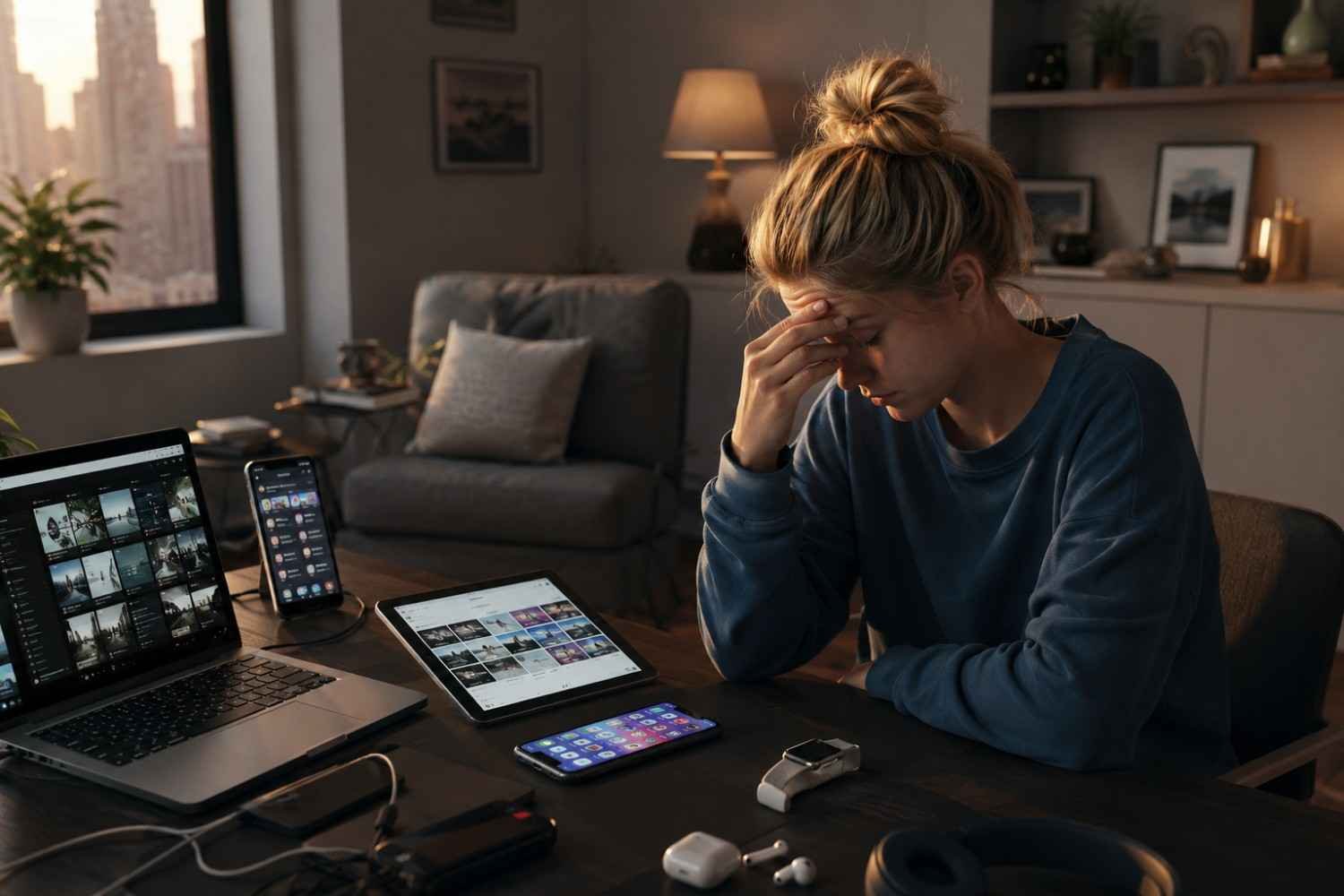
Physical clutter is only part of the problem now. Digital overwhelm has become one of the biggest hidden stress triggers in modern routines.
Constant scrolling, endless notifications, algorithm-driven content, and comparison culture create emotional fatigue that builds quietly over time.
Mindful minimalist living often includes digital boundaries like:
- Reducing screen time
- unfollowing overstimulating accounts
- limiting unnecessary notifications
- creating slower morning routines
- spending more time offline intentionally
These changes may sound small, but they often create immediate emotional relief.
Many people do not realize how mentally reactive they have become until they finally experience periods of quiet again.
Intentional Living Creates More Time and Financial Freedom
One of the biggest shifts that comes with mindful minimalism is realizing how much time and money disappear through unconscious habits.
Impulse shopping, constant upgrades, emotional purchases, and overconsumption often create temporary excitement followed by long-term stress.
Intentional living changes that relationship completely. People start asking:
- Do I actually need this?
- Does this improve my life meaningfully?
- Am I buying this out of boredom or pressure?
- Is this adding value or just adding more noise?
That mindset often reduces financial stress naturally because spending becomes more conscious.
Many people also discover they suddenly have more time once they stop constantly managing excess possessions, digital distractions, and overloaded schedules.
Mindful Minimalism Feels More Sustainable Than Extreme Self-Improvement

One reason mindful minimalist living feels sustainable long-term is that it focuses on balance instead of perfection.
Extreme self-improvement routines often create another form of pressure. People start chasing the “perfect” morning routine, productivity system, or minimalist lifestyle without actually feeling calmer.
Mindful minimalism works better when it stays flexible and realistic.
It allows space for:
- meaningful possessions
- emotional comfort
- gradual progress
- intentional routines
- personal priorities
The goal is not deprivation. The goal is to create enough mental space to feel present again.
FAQs: Mindful Minimalist Living Changed the Way I Handle Everyday Stress
1. What is mindful minimalist living?
Mindful minimalist living combines intentional living with mindfulness practices by reducing physical and mental clutter while focusing on what genuinely adds value to daily life.
2. How does mindful minimalism reduce stress?
It helps reduce stress by lowering decision fatigue, minimizing distractions, creating calmer environments, and encouraging more intentional routines and consumption habits.
3. Do you have to own very little to live minimally?
No. Mindful minimalism is not about strict deprivation. It focuses more on intentionality and removing excess that creates unnecessary stress or overwhelm.
4. Can mindful minimalist living improve mental health?
Many people experience improved mental clarity, emotional balance, reduced anxiety, and better focus after simplifying routines, environments, and digital habits.
The Calm Usually Comes From What You Remove
Most people spend years trying to add more solutions to already overloaded lives. More productivity systems, more purchases, more distractions, more noise. Mindful minimalist living shifts the focus in the opposite direction. Instead of constantly asking what else is needed, it asks what can finally be released.
That question changes more than just physical spaces. It changes how stress feels, how time gets used, and how much mental energy remains available at the end of the day. Often, the calm people are searching for is hiding underneath everything unnecessary they have been carrying for too long.