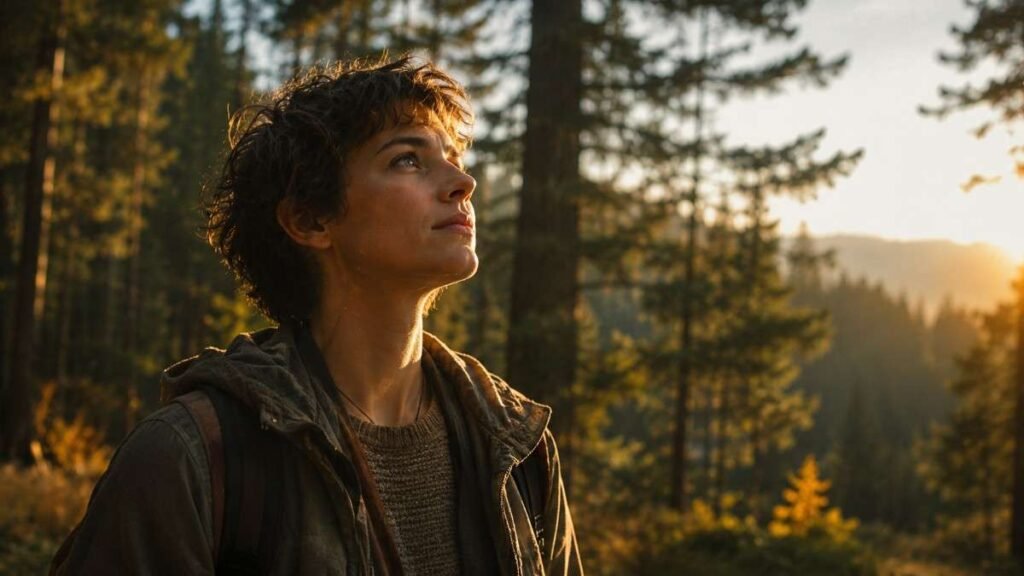
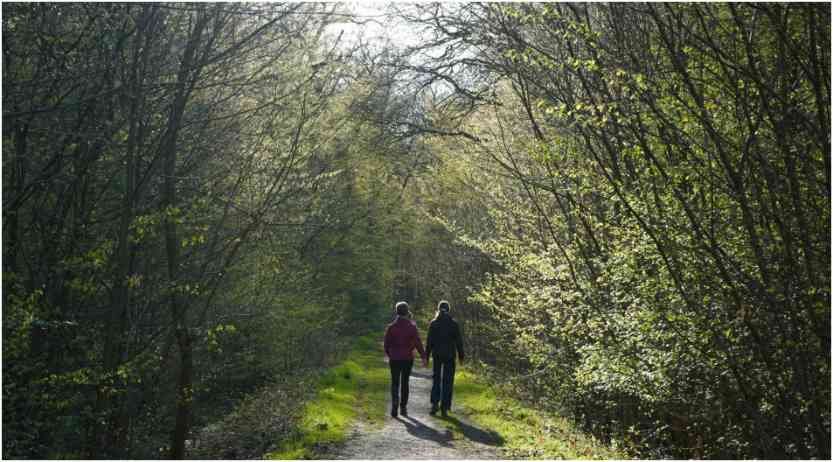
I realized healing through nature walks worked long before I understood the science behind it. During one particularly exhausting season, I started taking short walks through a wooded trail near my neighborhood instead of scrolling my phone during breaks. Within a week, my sleep improved. My mind felt quieter. My shoulders stopped feeling permanently tense.
That shift was not imaginary.
Researchers from the National Institutes of Health and Stanford University have repeatedly linked time in nature with lower cortisol levels, reduced rumination, improved mood, and stronger emotional regulation. Even 20 minutes outdoors can change how your nervous system responds to stress.
What surprised me most was how quickly nature slowed my thoughts without forcing anything. A quiet trail accomplished more than another productivity podcast ever did.
Why Nature Walks Change the Way Your Brain Feels
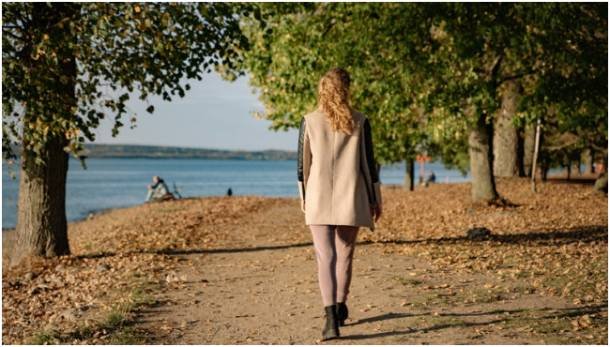
Nature affects the brain differently than urban environments. Traffic, screens, noise, and crowded spaces constantly demand attention. Natural settings do the opposite. They reduce cognitive overload.
The science behind stress reduction outdoors
Trees release compounds called phytoncides. Studies suggest these compounds may support immune function by increasing natural killer cell activity. Walking also improves circulation and regulates breathing patterns naturally.
A 2019 study published through Scientific Reports found that people who spent at least 120 minutes in nature weekly reported significantly higher health and well-being levels.
That number became my personal benchmark.
I stopped treating outdoor walks like optional downtime and started viewing them as maintenance for my nervous system.
My personal shift after slowing down outdoors
At first, I walked too fast. I treated trails like cardio sessions. The healing effects only deepened once I slowed down enough to actually notice my surroundings.
The sound of leaves moving overhead became calming. Birdsong interrupted anxious thought loops. Sunlight filtering through trees forced my attention back into the present.
That change also improved my overall emotional regulation. It connected naturally with other practices I now use, including wellness habits for introverts that help prevent overstimulation and emotional burnout.
Reconnecting With Nature Spiritually Without Feeling “Woo-Woo”
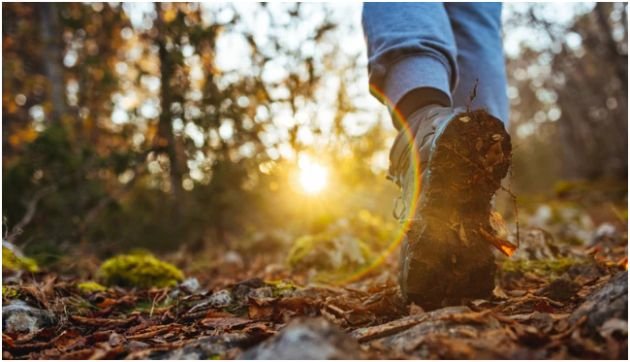
Many people hear spiritual language and immediately disconnect. I used to do the same thing.
But reconnecting with nature spiritually does not require complicated rituals or belief systems. It simply means recognizing that your body responds positively when it reconnects with natural rhythms.
Why grounding works emotionally
One practice that genuinely surprised me was grounding, sometimes called earthing.
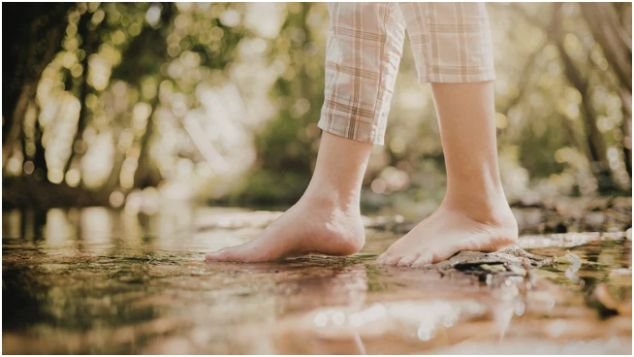
Walking barefoot on grass or soil created an immediate calming effect. The slower pace helped reduce mental clutter. Instead of constantly thinking ahead, my focus shifted toward physical sensations.
I noticed:
- slower breathing
- reduced muscle tension
- less emotional reactivity afterward
The experience felt less mystical and more biological.
The “sit spot” practice I still use weekly
The most effective practice I’ve tested costs nothing and takes 20 minutes.
I sit quietly in the same outdoor location every week without music, podcasts, or notifications. No journaling either. Just observation.
At first, my brain resisted silence. Then subtle details started becoming noticeable: shifting wind, insects moving through grass, changes in light patterns.
The consistency matters more than the location.
A Quick Table: Best Nature Walk Meditation Styles
| Meditation Style | Best For | Main Focus | Ideal Environment |
| Kinhin (Zen Walking) | Mental clarity | Breath and movement synchronization | Quiet forest paths |
| Awe Walk | Emotional reset | Wonder and observation | Redwoods, mountains, parks |
| Sensory Grounding | Anxiety reduction | Five senses awareness | Gardens or quiet trails |
| Breath-Step Sync | Nervous system calming | Rhythmic breathing | Flat walking trails |
| Sit Spot Practice | Spiritual connection | Stillness and observation | Any quiet natural area |
Explore Specific Meditations for Nature Walks
Different meditation styles create different emotional effects. I rotate between them depending on how mentally overloaded I feel.
Awe Walk meditation
The Awe Walk changed how I pay attention outdoors.
Instead of analyzing thoughts, I actively search for details that feel visually striking or unexpectedly beautiful. Bark textures, fog movement, reflections in water, or giant tree canopies immediately pull attention away from stress.
Places like Muir Woods National Monument are ideal for this practice because towering redwoods naturally create perspective and emotional stillness.
Sensory grounding stroll
This works best during anxious periods.
I mentally cycle through:
- five things I see
- four things I can touch
- three sounds
- two smells
- one taste
The exercise interrupts spiraling thoughts fast because it forces sensory awareness.
Breath-step synchronization
This technique feels surprisingly powerful during long walks.
I inhale for three steps and exhale for three steps. After several minutes, my breathing slows automatically. My shoulders relax without conscious effort.
The body begins regulating itself rhythmically.
Step-by-Step Breathing Guide Kinhin (Zen Walking)
Kinhin became the meditation practice I returned to most consistently because it combines movement with stillness.
Hand posture and stance
Start with the traditional Zen posture called Shashu.
Place your left thumb inside your palm and gently wrap your fingers around it. Hold that fist lightly above your navel. Cover it with your right palm.
Stand upright without stiffness. Lower your gaze softly toward the ground several feet ahead.
Breath-step rhythm
As you exhale, take one small half-step forward with your right foot. Feel the ground fully beneath your foot.
Pause completely during the inhale.
Then repeat with the left foot during the next exhale.
The pacing should feel almost unnaturally slow at first.
Mental focus during Kinhin
Your attention stays anchored to:
- the feeling of your feet touching earth
- the rhythm of breathing
- physical balance
Whenever thoughts drift toward tasks or stress, gently return attention to the next breath.
That repetition trains presence.
Best Places in the U.S. for Meditative Nature Walks
Certain environments naturally deepen mindfulness practices.
Sedona Red Rocks creates incredible stillness during sunrise walks because of its quiet desert atmosphere.
Zion National Park intensifies sensory awareness through water sounds, canyon echoes, and changing light.
Appalachian Trail offers long stretches of uninterrupted solitude that make deeper reflection easier.
Mount Shasta remains one of the most spiritually focused outdoor destinations in the country for meditation and contemplation.
Small Habits That Deepen the Healing Effect

Tiny adjustments changed my results more than long hikes ever did.
Leaving my phone behind improved my presence immediately.
Walking slower increased emotional calm dramatically.
Repeating the same route weekly created familiarity that made meditation easier over time.
I also noticed early morning walks worked better than afternoon walks because fewer distractions competed for attention.
Consistency matters more than distance.
Ten mindful minutes outdoors usually helps more than one distracted hour scrolling while walking.
FAQs
1. How long should healing through nature walks last?
Research suggests 20 to 30 minutes provides measurable stress reduction. Longer sessions deepen emotional benefits.
2. Can nature walks improve anxiety naturally?
Many people experience reduced anxiety symptoms because outdoor environments calm the nervous system and reduce overstimulation.
3. What is the best meditation for beginners during nature walks?
Sensory grounding walks work well for beginners because they provide simple mental structure without requiring advanced meditation experience.
4. Is Kinhin difficult to learn?
No. The hardest part is slowing down. Most people understand the physical steps within minutes.
5. Do I need forests or mountains for spiritual nature walks?
Not at all. Local parks, quiet neighborhoods, lakesides, and gardens can still create strong mindfulness benefits.
Your Nervous System Called — It Wants Another Walk
Most people underestimate how overloaded their minds feel until they finally slow down outside.
Nature does not demand performance. It does not ask for productivity, replies, or constant stimulation. That is exactly why it heals so effectively.
The next time your thoughts feel loud, skip the extra screen time and take a slower walk instead. Leave the headphones behind. Notice the air, the trees, and the rhythm of your breathing.
Your body already knows how to calm down. Nature simply helps you remember.