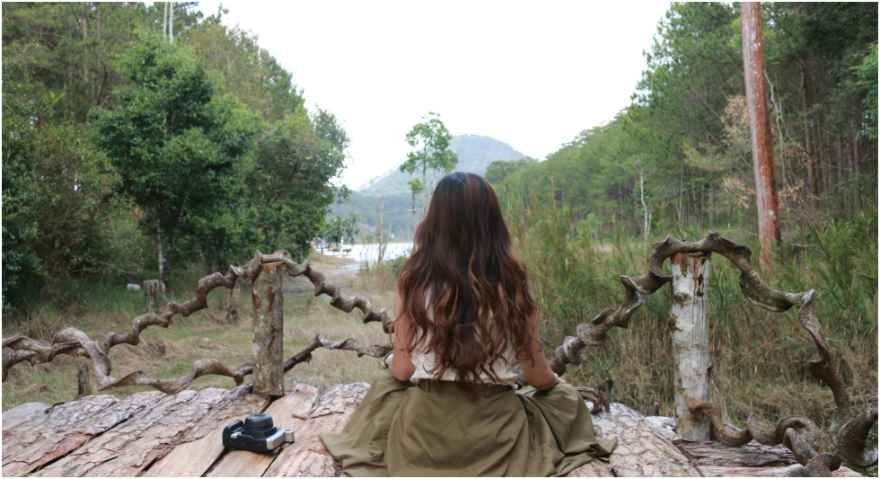
I did not expect a slow walk in the woods to change the way my brain felt.
The first time I tried forest bathing for beginners, I kept checking my phone every few minutes. My mind raced through unfinished work, notifications, and random thoughts. About twenty minutes later, something shifted. The noise in my head softened. I noticed birds instead of deadlines. I could finally breathe deeply again.
That is the strange power of shinrin-yoku, the Japanese practice of immersing yourself in nature through mindful awareness instead of exercise.
Unlike hiking, forest bathing is not about distance, calories, or reaching a summit. It is about slowing down enough to let your nervous system settle naturally.
Scientists have linked time in forests to lower cortisol levels, reduced blood pressure, improved focus, and stronger immune function. The U.S. Forest Service and peer-reviewed studies continue exploring how natural environments affect mental and physical health.
And honestly, after practicing it consistently, I understand why.
What Is Forest Bathing?
Forest bathing, also called shinrin-yoku, translates to “taking in the forest atmosphere.”
The practice started in Japan during the 1980s as a preventative wellness approach for stress-related illness. Instead of treating nature like scenery, forest bathing encourages sensory immersion.
You move slowly.
You observe quietly.
You stop multitasking.
The goal is not productivity. The goal is presence.
That difference matters because many people accidentally turn relaxation into another task to complete. Forest bathing removes performance from the equation completely.
Forest Bathing vs Hiking
This confusion shows up constantly online.
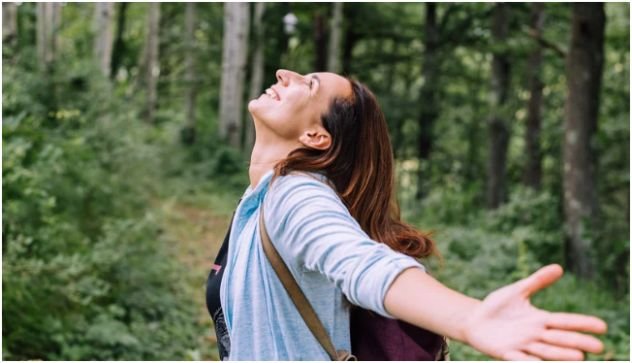
A hike usually focuses on movement, fitness, speed, or reaching a destination. Forest bathing focuses on sensory awareness.
Here is the easiest way I explain it:
| Activity | Main Focus | Typical Pace | Mental State |
| Hiking | Exercise and exploration | Moderate to fast | Goal-oriented |
| Forest Bathing | Sensory immersion and calm | Very slow | Present and reflective |
I still hike regularly, but forest bathing creates a completely different mental effect.
The slower pace changes everything.
Why Forest Bathing Feels So Effective
One reason comes from compounds called phytoncides.
Trees release these natural antimicrobial oils into the air. Research suggests inhaling phytoncides may support immune activity by increasing natural killer (NK) cell function.
Another reason is attention restoration.
Modern environments constantly demand focus. Screens, traffic, alerts, and advertising overload the brain. Forest settings reduce that pressure because natural patterns feel softer and less mentally demanding.
I notice the biggest difference after about thirty minutes outdoors without distractions. My breathing slows naturally, and my thoughts stop jumping between tasks.
That is why practices like healing through nature walks are becoming increasingly popular across wellness communities in the U.S.
How to Practice Forest Bathing for Beginners
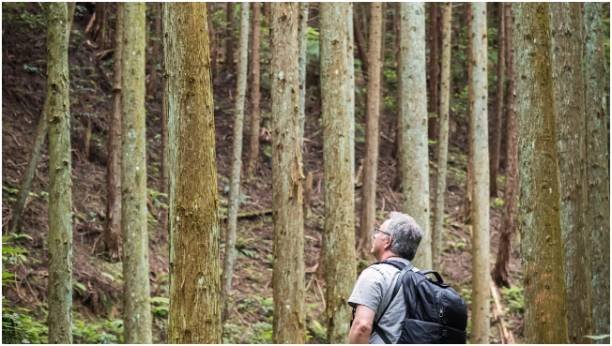
You do not need expensive gear or a remote wilderness cabin.
My favorite sessions happen in small parks close to home.
Step 1: Leave Your Phone Alone
This part is harder than most people expect.
Silence notifications completely. Avoid music, podcasts, and photography for the first session.
The goal is to reduce input.
The less digital stimulation you bring outside, the more quickly your senses wake up.
Step 2: Choose a Quiet Green Space
Old-growth forests feel incredible, but beginners do not need dramatic landscapes.
Good starting locations include:
- Tree-lined parks
- Botanical gardens
- Nature reserves
- Lakeside walking paths
- Quiet wooded trails
I actually recommend smaller locations first because they feel less overwhelming.
Best U.S. Places to Try Forest Bathing
Some American destinations naturally support slow sensory immersion better than others.
| Location | Why It Works Well |
| Redwood National and State Parks | Towering trees create quiet, shaded environments |
| Olympic National Park | Moss-covered rainforests reduce noise and visual stress |
| Shenandoah National Park | Accessible East Coast trails with peaceful overlooks |
| Hocking Hills State Park | Hemlock forests and shaded gorges feel deeply calming |
| Adirondack Park | Massive protected wilderness with quiet walking paths |
These locations also work well for mindful photography, journaling, and silent meditation.
Step 3: Walk Much Slower Than Normal
This part feels awkward at first.
Most people naturally rush outdoors the same way they rush indoors.
I usually walk at about one-quarter of my normal pace during forest bathing sessions. That slower movement changes how much detail you notice.
You start hearing separate bird calls.
You notice changing light patterns.
You feel temperature shifts beneath tree cover.
The forest becomes more layered.
Step 4: Use Your Senses Intentionally
Forest bathing works best when you actively engage your senses.
Sight
Watch sunlight move through leaves. The Japanese call this komorebi.
Tiny visual details become surprisingly calming when you stop rushing past them.
Sound
Listen for layered sounds instead of labeling them quickly.
Wind, branches, birds, distant water, and insects create natural rhythms that help quiet mental clutter.
Touch
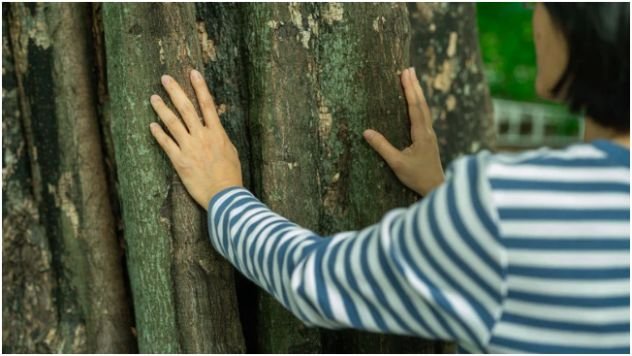
I often place my hand against tree bark during sessions.
Rough textures help anchor attention into the present moment.
Smell
The scent of pine, cedar, damp earth, and rain-soaked leaves creates an immediate calming effect for many people.
Step 5: Practice Deep Belly Breathing
This simple breathing rhythm helps quickly calm the nervous system:
- Inhale slowly through the nose for four seconds
- Hold briefly
- Exhale gently for six seconds
After several rounds, your body usually relaxes naturally.
The effect feels different outdoors compared to indoor meditation.
My Favorite Beginner Technique: The Sit Spot Method
This is the single biggest difference-maker I discovered.
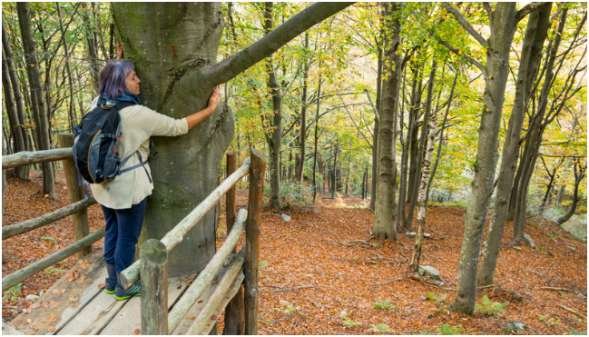
Instead of constantly walking, choose one location and stay there quietly for ten to twenty minutes.
At first, the forest feels still.
Then your awareness changes.
You notice birds returning nearby. Wind shifts become clearer. Insects appear. Tiny sounds emerge from everywhere.
Many beginners skip this step because silence feels uncomfortable initially.
Stick with it anyway.
The mental reset afterward feels surprisingly powerful.
Guided Forest Bathing vs Solo Practice
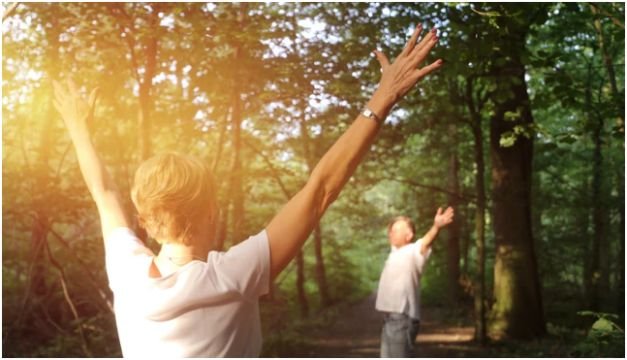
Both approaches work well, but they create different experiences.
Guided sessions often include mindfulness prompts, breathing exercises, tea ceremonies, or reflection practices. Organizations like the Association of Nature and Forest Therapy offer certified guides across the U.S.
Solo sessions feel more personal and flexible.
I prefer guided walks for beginners because structure helps people stay present longer.
After a few sessions, solo practice becomes easier.
Common Mistakes Beginners Make
The biggest mistake is treating forest bathing like another productivity hack.
People try to optimize it too quickly.
They track steps.
They rush through trails.
They focus on taking photos.
That approach weakens the experience.
Another common mistake is choosing crowded areas. Busy trails filled with noise make sensory relaxation much harder.
Quiet environments matter more than dramatic scenery.
Unexpected Benefits I Noticed Personally
Most articles only mention stress reduction.
That barely scratches the surface.
After several weeks of regular practice, I noticed:
- Better concentration during work
- Fewer racing thoughts at night
- Less phone dependence
- Improved patience
- More mental clarity after burnout-heavy weeks
The biggest surprise was how quickly my mood improved after even short outdoor sessions.
Twenty quiet minutes outside often worked better than scrolling endlessly indoors.
Forest Bathing Safety Tips
Forest bathing should feel calming, not risky.
Bring water, wear comfortable shoes, and check weather conditions before longer walks.
If you explore remote trails, tell someone where you are going first.
Tick protection matters in wooded regions across the Northeast and Midwest. Long sleeves and bug spray help.
And honestly, avoid forcing yourself into harsh conditions. Relaxation disappears quickly if you are freezing, overheated, or uncomfortable.
The Woods Are Better Therapists Than Most Apps
The wellness industry sells relaxation as another thing to buy.
Forest bathing reminded me that the nervous system often responds best to simpler experiences.
No subscription.
No algorithm.
No productivity pressure.
Just slower breathing, quiet trees, and enough stillness to hear yourself think again.
Start small.
Find one quiet trail this week. Leave your phone in your pocket. Walk slower than feels natural.
That is usually where the real shift begins.
FAQs About Forest Bathing for Beginners
1. How long should forest bathing sessions last?
Most beginners benefit from 20 to 60 minutes. I personally notice the strongest calming effect after about thirty minutes outdoors.
2. Can I practice forest bathing in a city park?
Yes. Large parks with trees and minimal traffic noise still work surprisingly well for sensory immersion.
3. Is forest bathing scientifically proven?
Research from Japan and other countries links forest exposure to reduced stress hormones, lower blood pressure, improved mood, and immune support.
4. What should I bring for forest bathing?
Keep it simple. Comfortable shoes, water, weather-appropriate clothing, and a small sitting mat help.
5. Is forest bathing the same as meditation?
Not exactly. Meditation usually focuses inward. Forest bathing combines mindfulness with sensory connection to the surrounding natural environment.