I used to think meditation only worked if I sat completely still. Every attempt left me more distracted than relaxed. My thoughts raced, my body felt restless, and silence became frustrating instead of calming.
Everything changed when I started practicing walking meditation techniques during stressful workweeks. Movement gave my mind something physical to focus on. Instead of fighting thoughts, I focused on footsteps, breathing, posture, and the feeling of the ground beneath me.
That small shift improved my focus faster than sitting meditation ever had.
Why Walking Meditation Works So Well
Walking meditation combines mindfulness with movement. Your attention keeps returning to physical sensations like shifting balance, breathing rhythm, and foot pressure.
For many people, that makes meditation easier because the body stays engaged instead of sitting motionless.
Research from the National Institutes of Health has linked mindfulness practices to reduced stress and improved emotional regulation. Adding movement can make those benefits feel more accessible for beginners.
I noticed this personally during periods of mental overload. Sitting quietly often intensified overthinking, but walking interrupted those loops naturally.
Core Walking Meditation Techniques
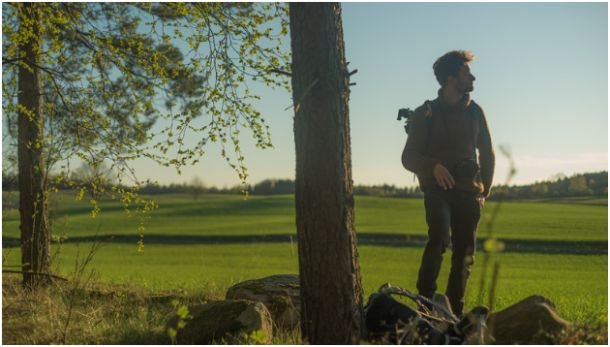
Different styles of walking meditation train awareness differently. Some focus on deep concentration while others emphasize emotional grounding or environmental awareness.
Theravada Slow-Step Practice
Theravada walking meditation slows movement down dramatically. Each step is mentally divided into “lifting,” “moving,” and “placing.”
The pace feels unusually slow at first, but that slowness sharpens concentration quickly. I found this style especially powerful indoors because fewer distractions made body sensations easier to notice.
Zen Kinhin Walking
Zen walking meditation focuses heavily on posture and breath rhythm. The spine stays upright while breathing synchronizes naturally with movement.
This technique created a steady mental rhythm for me. Instead of forcing relaxation, the repetitive pace gradually quieted mental clutter.
Thich Nhat Hanh’s Breath-and-Step Rhythm
This style combines walking with silent phrases like “I have arrived” or “I am home.”
I started using this method during emotionally exhausting weeks and noticed it interrupted stress patterns surprisingly fast. Pairing mindful walking with reflective habits like journaling prompts for healing also helped me process emotions more clearly afterward.
Vipassana Insight Walking
Vipassana walking meditation uses a more natural pace. Instead of slowing every step, awareness expands outward. You notice intentions, reactions, impatience, and surrounding stimuli while continuing to walk normally.
This style worked especially well outdoors because it integrated mindfulness into real life rather than isolating it from daily activity.
Quick Reference Table
| Technique | Walking Speed | Main Focus | Best Environment |
| Theravada | Very slow | Foot sensations | Indoors |
| Zen Kinhin | Slow rhythmic pace | Breath synchronization | Quiet spaces |
| Thich Nhat Hanh | Gentle natural pace | Emotional grounding | Parks and sidewalks |
| Vipassana | Natural pace | Expanded awareness | Outdoor environments |
Indoor Versus Outdoor Adaptations
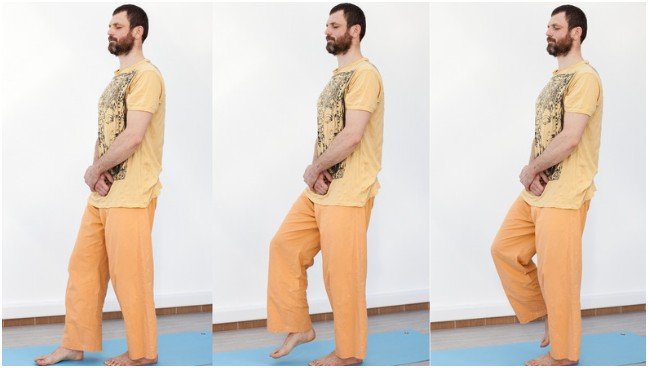
Walking meditation changes depending on the environment.
Indoor Walking Meditation
Indoor spaces create controlled conditions that support deep concentration. Hallways or quiet rooms reduce unpredictable distractions, making subtle sensations easier to notice.
I became much more aware of foot pressure, breathing patterns, and muscle tension during indoor sessions. Walking barefoot or in socks also increased tactile feedback from the floor.
Indoor practice tends to encourage introspection and stillness.
Outdoor Walking Meditation
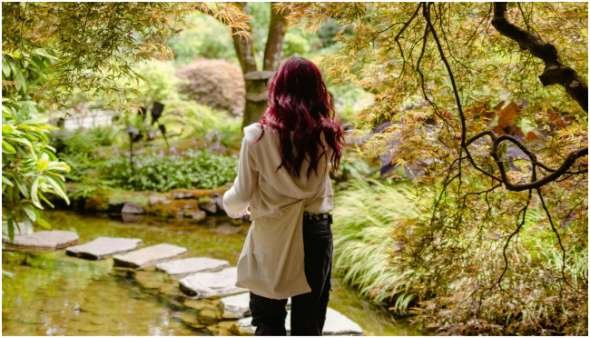
Outdoor walking meditation requires broader awareness. Traffic sounds, wind, changing scenery, and passing conversations all become part of the practice.
Instead of resisting distractions, you observe them without mentally attaching to them.
This helped me become less reactive to noisy or crowded environments. Parks, flat walking trails, and quiet sidewalks usually work best because uneven terrain can pull too much attention toward navigation.
How to Manage Physical Pain While Walking
Walking meditation changed how I reacted to physical discomfort.
The practice does not eliminate pain, but it can change how the brain processes it.
Mental Reframing
One useful strategy involved replacing emotional labels with neutral descriptions. Instead of thinking “my knee hurts,” I shifted toward words like “tightness,” “pressure,” or “warmth.”
That small language change reduced emotional tension around discomfort.
I also noticed pain felt less overwhelming when I briefly redirected attention toward neutral sensations like wind against my skin or the movement of my hands.
Physical Adjustments
Small mechanical changes reduced strain dramatically. Shortening my stride slightly, relaxing my knees, and softening heel impact made longer walks feel easier almost immediately.
Breathing also mattered. Longer exhalations helped reduce muscle bracing during stressful walks.
Sharp or worsening pain should never be ignored, though. Walking meditation should improve awareness, not encourage unsafe movement.
Techniques for High-Speed Commuter Walking
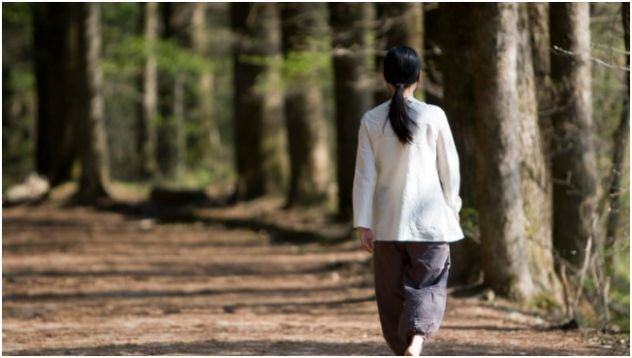
One of the most practical things I tested was turning fast daily walks into mindfulness practice.
Instead of treating commuting like stressful dead time, I used it as focus training.
Biomechanical Efficiency
Fast walking feels smoother when cadence increases naturally instead of overextending stride length. Over-striding creates unnecessary strain on the hips and lower back.
I noticed commuting became less exhausting once I improved posture and walking mechanics. Keeping my torso upright and maintaining controlled arm movement reduced tension immediately.
Concentration Anchors for Busy Streets
Urban mindfulness requires flexible attention.
One breathing pattern worked especially well for me during crowded walks. I synchronized four quick steps with each inhale and another four with each exhale. That rhythm stabilized focus while still allowing awareness of traffic and pedestrians.
Soft peripheral vision also reduced mental fatigue. Instead of staring directly at people, I scanned several meters ahead and moved more fluidly through crowds.
Mistakes That Quietly Ruin Walking Meditation
The biggest mistake I made was trying too hard to clear my mind completely. Walking meditation does not require perfect silence in your thoughts.
The practice works through repeated returns to awareness.
Walking too fast, staring directly at the feet, or ignoring physical discomfort can also disrupt focus. Consistency matters more than intensity.
Why Walking Meditation Reduced My Stress Faster Than Breathwork Alone
Walking gave my stress somewhere physical to go.
That was the difference for me.
During mentally overloaded periods, seated meditation sometimes intensified restlessness because my body still carried excess nervous energy. Walking redirected that energy into rhythm, posture, breathing, and movement.
The repetitive sensory feedback created a grounding effect that felt immediate and sustainable.
Research from Harvard Medical School has also discussed how mindful movement supports emotional resilience and cognitive regulation.
FAQs
1. What are the best walking meditation techniques for beginners?
Theravada slow-step walking and simple breath-focused walking are usually easiest because they create clear physical anchors for attention.
2. Can walking meditation help anxiety?
Many people find walking meditation calming because rhythmic movement and controlled breathing help regulate stress responses naturally.
3. Is indoor or outdoor walking meditation better?
Indoor practice supports deeper concentration while outdoor practice develops broader awareness and adaptability.
4. Can I practice walking meditation during my commute?
Yes. Techniques for high-speed commuter walking can transform stressful transit time into active mindfulness practice.
Your Brain Was Never Designed to Sit Still All Day
Walking meditation completely changed how I think about mindfulness.
I stopped viewing meditation as something limited to silent rooms or perfect conditions. A hallway, park trail, sidewalk, or crowded city block can all become places where awareness sharpens and mental noise softens.
Sometimes the fastest way to calm the mind is not forcing stillness.
Sometimes it starts with simply paying attention to the next step.