

Some of the most unproductive periods of my life did not happen because I lacked goals. They happened because I could not manage my emotions consistently enough to follow through. One stressful day would ruin my routine. One setback would destroy my motivation. I kept treating discipline like a willpower problem when it was really an emotional awareness problem.
The moment I started paying attention to my habits, reactions, and mental patterns, everything became clearer. I realized discipline is not built during perfect mornings or highly motivated weeks. It is built during frustrating moments when distractions feel easier than progress. That understanding changed how I approached focus, routines, productivity, and even relationships.
Instead of creating extreme schedules that failed within days, I started building smaller systems that worked with my mindset instead of against it. The result was better consistency, less procrastination, improved emotional control, and routines I could actually maintain long term.
Why Discipline and Emotional Intelligence Work Together
Many people treat discipline as a purely physical habit. In reality, emotions control a huge percentage of daily decisions. Stress affects attention control. Anxiety affects consistency. Frustration affects patience. Without emotional awareness, even the best productivity system eventually breaks down.
That is why emotionally intelligent people often appear more disciplined. They understand how emotions influence behavior and learn how to respond instead of reacting impulsively.
I noticed this personally when I began tracking emotional triggers behind my bad habits. Late-night scrolling, procrastination, and poor focus were usually connected to stress or mental exhaustion rather than laziness.
Understanding those patterns changed how I approached self-improvement.
Self-Awareness Creates Better Habits

One of the most overlooked self discipline tips is improving self-awareness before trying to change behavior.
Many people attempt to force new habits without understanding why old habits exist. Emotional awareness helps identify the real source of distractions and inconsistency.
I started paying closer attention to my emotional patterns throughout the day. Certain environments increased stress levels. Some conversations drained my energy. Certain routines improved my focus immediately.
This type of reflection creates stronger behavioral control because you stop operating on autopilot.
Mindfulness also helped me recognize emotional triggers before they became destructive habits. Instead of reacting impulsively, I became more intentional with decisions.
That small shift improved both productivity and mental clarity.
How Emotional Control Improves Daily Consistency
Discipline becomes easier when emotional reactions stop controlling decisions.
People often lose progress because they react emotionally to temporary discomfort. One stressful day leads to skipped workouts, poor eating habits, or procrastination spirals.
Emotional regulation creates stability during difficult moments.
When I started practicing cognitive reframing, I noticed major improvements in how I handled setbacks. Instead of viewing mistakes as proof of failure, I treated them as temporary learning experiences.
That mindset reduced stress and made consistency easier to maintain long term.
Strong emotional regulation also improves stress tolerance. High-pressure environments no longer feel overwhelming when you learn how to pause, breathe, and respond calmly.
Self Discipline Tips That Actually Work in Real Life
Most productivity advice online feels unrealistic because it assumes people operate perfectly every day. Real life is unpredictable. Sustainable discipline needs flexibility.
The biggest breakthrough for me came from simplifying my routines instead of making them more complicated.
I stopped chasing perfect schedules and focused on repeatable habits instead.
One of the best self discipline tips I followed was reducing unnecessary decisions during the day. I planned workouts ahead of time, created focused work blocks, and limited distractions before they became problems.
This reduced mental fatigue significantly.
Another important strategy involved improving my physical habits. Sleep, hydration, movement, and nutrition directly affected emotional control and concentration levels.
Once those areas improved, staying productive required far less effort.
Why Intrinsic Motivation Matters More Than External Pressure

External rewards only create temporary consistency. Long-term discipline usually comes from internal motivation.
People who build lasting habits often focus on identity and personal growth instead of validation from others.
I became more disciplined once I stopped obsessing over quick results and focused on becoming someone who values consistency naturally.
That shift changed everything.
Goals started feeling meaningful instead of stressful. Challenges became opportunities for improvement instead of threats to avoid.
Resilience also improved because setbacks no longer destroyed momentum completely.
Emotionally intelligent individuals often recover faster after failure because they separate mistakes from personal identity.
That emotional flexibility makes long-term growth much easier.
Empathy and Social Awareness Also Affect Discipline
Most people never connect empathy with personal discipline, but relationships strongly influence behavior patterns. Negative social environments increase stress, distraction, and emotional exhaustion, while supportive relationships improve accountability and motivation.
I also became more aware of the health effects of social isolation, especially how loneliness and emotional disconnection can quietly reduce motivation, increase stress levels, and negatively affect mental focus over time.
I noticed my productivity improved dramatically when I spent more time around focused, emotionally balanced people. Active listening and emotional awareness also improved communication in professional settings. Conflict decreased because conversations became calmer and more intentional.
This reduced unnecessary emotional fatigue throughout the week.
Understanding body language, emotional tone, and social dynamics also helps people navigate stressful environments more effectively.
How Better Social Skills Strengthen Self-Control
Social intelligence creates stronger emotional stability, especially in professional environments.
People with strong communication skills often manage pressure better because they handle conflict directly instead of avoiding problems.
Clear communication reduces misunderstandings, workplace stress, and emotional tension.
I learned that emotional intelligence affects productivity just as much as time management does.
When emotional energy is constantly drained by conflict or frustration, focus disappears quickly.
Healthy communication preserves mental clarity and improves long-term consistency.
Creating a Sustainable Discipline System
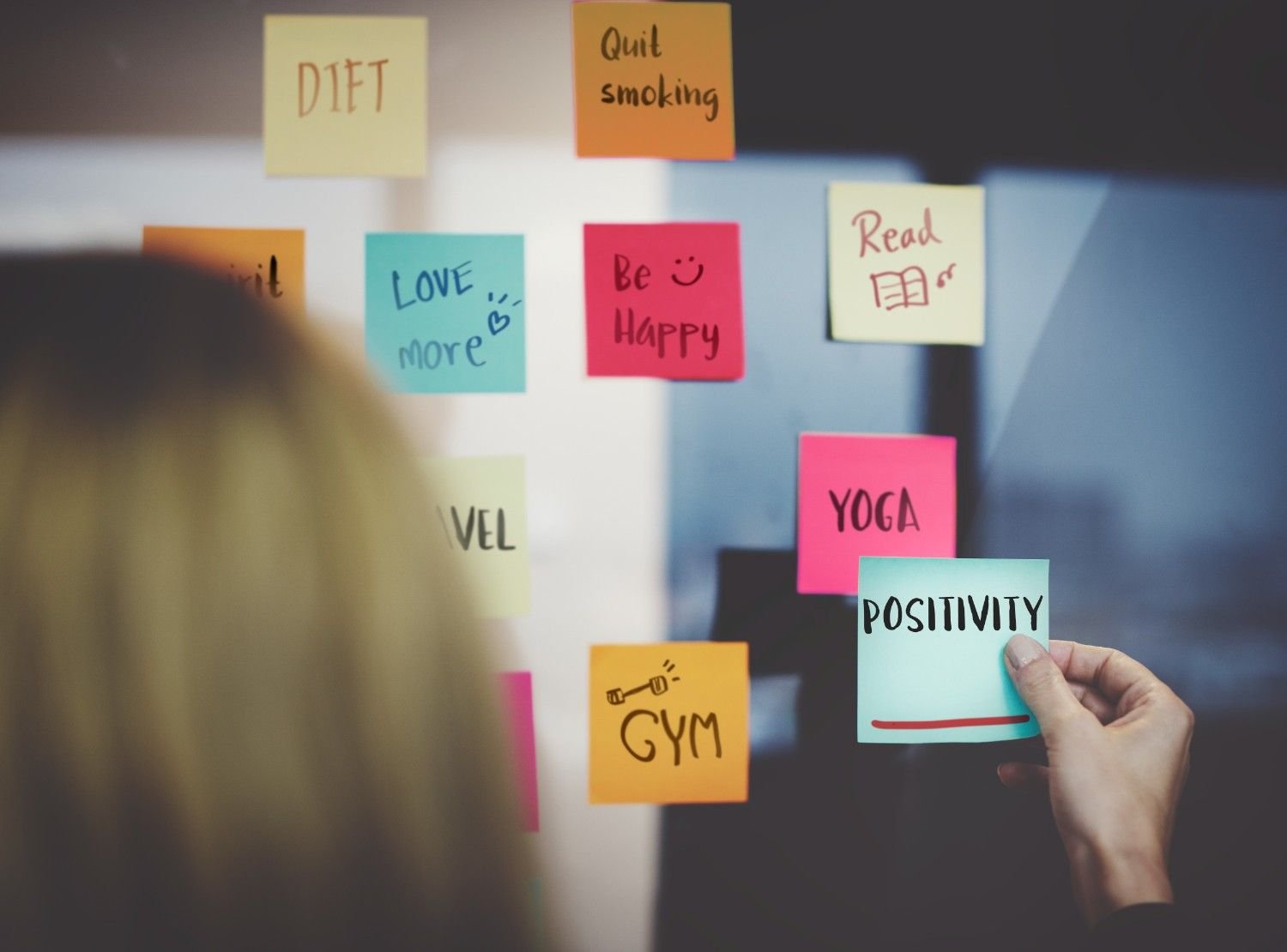
The most effective routines are simple enough to repeat during stressful periods.
Perfection is not sustainable. Structure is.
My daily system became far more effective once I stopped relying on motivation and started relying on routines instead. Focused work sessions, consistent sleep schedules, reduced distractions, and emotional reflection created stable momentum.
That consistency eventually became automatic.
The most powerful self discipline tips are rarely dramatic. Small repeated behaviors create the biggest long-term changes.
Once emotional awareness and practical habits work together, discipline feels far less exhausting and much more natural.
Frequently Asked Questions (FAQs)
1. What are the most effective self discipline tips for beginners?
Start with small habits, improve emotional awareness, remove distractions, and focus on consistency instead of perfection.
2. How does emotional intelligence improve discipline?
Emotional intelligence improves self-control, stress management, decision-making, and resilience during difficult situations.
3. Why do people struggle with consistency?
Most people rely too heavily on motivation instead of routines, emotional regulation, and realistic habit systems.
4. Can emotional awareness reduce procrastination?
Yes. Understanding emotional triggers often helps people identify why they avoid tasks and react more intentionally.
5. Is self-discipline connected to mental health?
Strong routines, emotional regulation, and healthy habits can reduce stress while improving confidence and mental clarity.
A Smarter Approach to Long-Term Growth
The biggest lesson I learned is that discipline is not about becoming harsh or robotic. Sustainable growth happens when emotional intelligence and practical structure work together. If you truly want to understand how to improve yourself, you need to focus not only on productivity, but also on emotional awareness, healthy routines, and long-term consistency.
Once I stopped fighting my emotions and started understanding them, staying consistent became much easier. Better routines improved focus. Emotional awareness reduces impulsive behavior. Healthy communication reduces unnecessary stress.
Over time, discipline stopped feeling forced.
It simply became part of how I lived.