

My brain used to feel loudest at night. The second the house became quiet, my thoughts became impossible to ignore. I would replay conversations, mentally organize tomorrow’s tasks, and somehow remember embarrassing moments from ten years ago at 1 a.m.
What finally helped was creating calming evening wellness rituals that trained my nervous system to stop treating nighttime like a second work shift. Once I changed the cues around my evenings, sleep stopped feeling like a battle.
The biggest surprise? None of the changes were expensive. Most involved light, temperature, breathing, movement, and simple behavioral tricks backed by sleep psychology.
Why Evenings Affect Your Nervous System More Than You Think
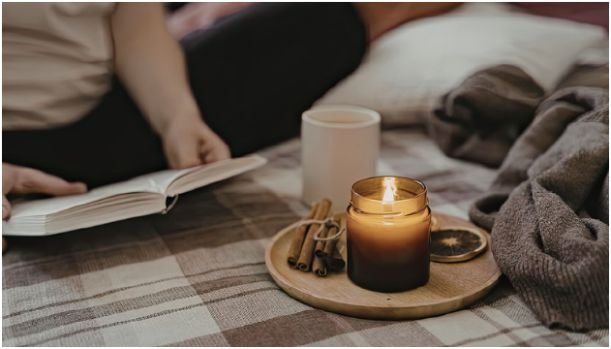
Your brain constantly studies patterns. If your evenings are filled with stress, screens, emails, and overstimulation, your nervous system stays activated long after bedtime.
I noticed my sleep improved once I stopped thinking about nighttime as “the moment sleep happens” and started treating it as a transition period.
Researchers from the National Institutes of Health have linked evening light exposure and mental overstimulation to delayed melatonin release and poorer sleep quality. Your body needs environmental and behavioral signals that communicate safety and slowing down.
The Environmental Changes That Made My Brain Slow Down Faster
The fastest improvements came from changing my surroundings before changing my thoughts.
| Evening Habit | Why It Helped Me |
| Turning off screens | Reduced mental stimulation |
| Using warm lamps | Helped my brain feel calmer |
| Cooling my bedroom | Made sleepiness appear faster |
| Essential oil diffuser | Created sensory consistency |
| Quiet audio only | Reduced overstimulation |
I Started a “Digital Sunset”
About an hour before bed, I stopped using my phone completely.
At first, I hated this habit. My brain kept craving stimulation. After a week, though, I noticed my thoughts became less chaotic at night.
Blue light suppresses melatonin production, but the bigger issue for me was emotional stimulation. Social feeds, news alerts, and random scrolling kept my brain alert.
Replacing screen time with reading or soft music changed my evenings dramatically.
Cooler Air Made a Bigger Difference Than Supplements
I spent years trying sleep teas and supplements before realizing temperature mattered more.
Your core body temperature naturally drops before sleep. A cooler room helps support that process.
Now I crack a window slightly or use a fan every night. That small environmental shift consistently makes me feel sleepier faster.
Mind and Body Rituals That Reduced My Nighttime Overthinking

Mental stress often becomes physical tension without us noticing.
I carried stress in my jaw, shoulders, and chest constantly. Slowing the body first helped calm my thoughts afterward.
Slow Showers Became a Mental Reset
I stopped rushing through nighttime showers.
Instead, I focused on the feeling of warm water, slower breathing, and relaxing my shoulders physically. This became less about hygiene and more about nervous system regulation.
The body temperature drop afterward also supports natural sleep onset.
Gentle Stretching Worked Better Than Intense Exercise
Heavy nighttime workouts kept me mentally wired.
What actually helped was restorative movement:
- Legs-up-the-wall pose
- Slow neck stretches
- Supported forward folds
- Deep breathing while lying down
Some evenings I combined this with short walking meditation techniques during sunset. That combination helped transition my brain away from work mode much faster.
The 4-Step De-escalation Routine I Use for a Racing Mind

When my thoughts still spiral at night, I use a structured de-escalation process.
Step 1: The Brain Dump
I write every unfinished thought onto paper without organizing it.
Then I finish with:
“This is written down. I can handle it tomorrow.”
This reduced repetitive mental looping almost immediately.
Step 2: Physiological Sigh Breathing
This became one of the fastest calming tools I tested.
The sequence:
- Deep inhale through the nose
- Quick second inhale
- Long slow sigh out of the mouth
After three to five rounds, I usually feel physical tension drop noticeably.
Step 3: The 5-4-3-2-1 Grounding Method
This technique interrupts anxious thinking patterns by forcing sensory awareness.
I identify:
- 5 things I can see
- 4 things I can feel
- 3 things I can hear
- 2 things I can smell
- 1 reassuring thing I can say to myself
It pulls my brain out of imagined stress and back into the actual room.
Step 4: The Cognitive Shuffle
This technique surprised me the most.
I choose a simple word like “CALM” and mentally list random words beginning with each letter.
The randomness prevents emotional overthinking and mimics natural pre-sleep mental drifting.
My “Pre-Bed Intercept” Routine for Falling Asleep Faster

One mistake I used to make was staying in bed frustrated for hours.
That unintentionally trained my brain to associate bed with stress.
The 20-Minute Reset Rule
If I cannot sleep after about 20 minutes, I leave the bed.
I sit somewhere dimly lit and do something intentionally boring, like folding laundry or reading a physical book.
Returning only when sleepy helped rebuild the connection:
Bed = Sleep
Left-Nostril Breathing Quieted My Nervous System
This sounded strange initially, but it genuinely helped.
I lie on my right side and slowly breathe through my left nostril for a few minutes.
The slower breathing rhythm alone creates a calming effect, especially when paired with darkness and silence.
Reverse Psychology Helped Me Stop Forcing Sleep
Trying aggressively to sleep made me more awake.
Now I sometimes use paradoxical intention instead. I simply tell myself:
“I’m going to stay awake a little longer.”
Removing the pressure around sleep often makes exhaustion take over naturally.
Small Evening Habits That Quietly Improved My Sleep Quality

The biggest improvements did not come from dramatic routines.
They came from small repeated cues:
- Dim lights after sunset
- No stressful conversations late at night
- Herbal tea instead of caffeine
- Lower room temperature
- Quiet music instead of television
- Writing thoughts down before bed
Consistency mattered more than perfection.
Over time, my brain started recognizing these habits as signals that it was finally safe to power down.
FAQs
1. What are calming evening wellness rituals?
Calming evening wellness rituals are nighttime habits that help relax the nervous system, reduce stress, and improve sleep quality naturally.
2. How can I calm a racing mind before bed?
Brain dumping, grounding exercises, breathing techniques, and reducing screen exposure can help interrupt mental overstimulation before sleep.
3. What is the best nighttime wellness routine?
The best nighttime wellness routine is simple and repeatable. Dim lighting, cooler temperatures, gentle movement, and reduced mental stimulation often help most.
4. Do evening wellness rituals actually improve sleep?
Yes. Consistent relaxing bedtime habits can help regulate melatonin production, reduce nervous system activation, and improve sleep onset over time.
Your Brain Is Begging for a Softer Ending
I used to think better sleep required perfect discipline or expensive solutions. What actually changed things was learning how to stop overstimulating my nervous system at night.
That shift changed everything.
Calming evening wellness rituals are less about luxury and more about teaching your brain that the day is over. Once your body starts trusting those signals, sleep becomes far less forced.
Tonight, pick one ritual instead of ten. Dim the lights earlier. Put your phone away. Try the breathing exercise. Write the thoughts down instead of carrying them into bed.
Your nervous system notices more than you think.