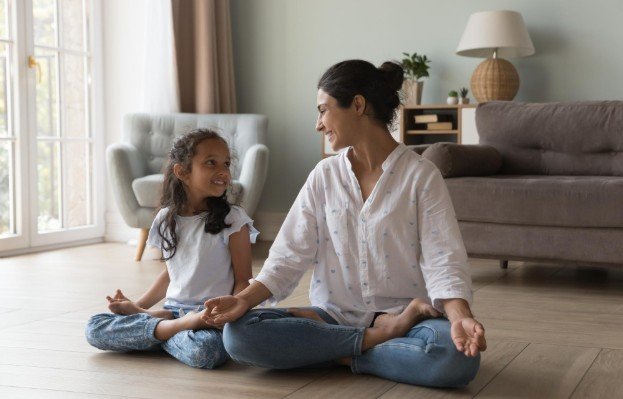
Meditation required complete silence, expensive cushions, and years of practice. Every time I tried it, my thoughts kept racing, and I assumed I was doing something wrong. Eventually, I realized meditation is not about having a perfectly empty mind. It is about learning how to slow down, breathe, and become more aware of the present moment.
Once I simplified the process, meditation became something I could actually enjoy at home. I stopped chasing perfection and started focusing on consistency instead. That small shift completely changed how I approached stress, focus, sleep, and emotional balance.
Why Meditation at Home Works So Well
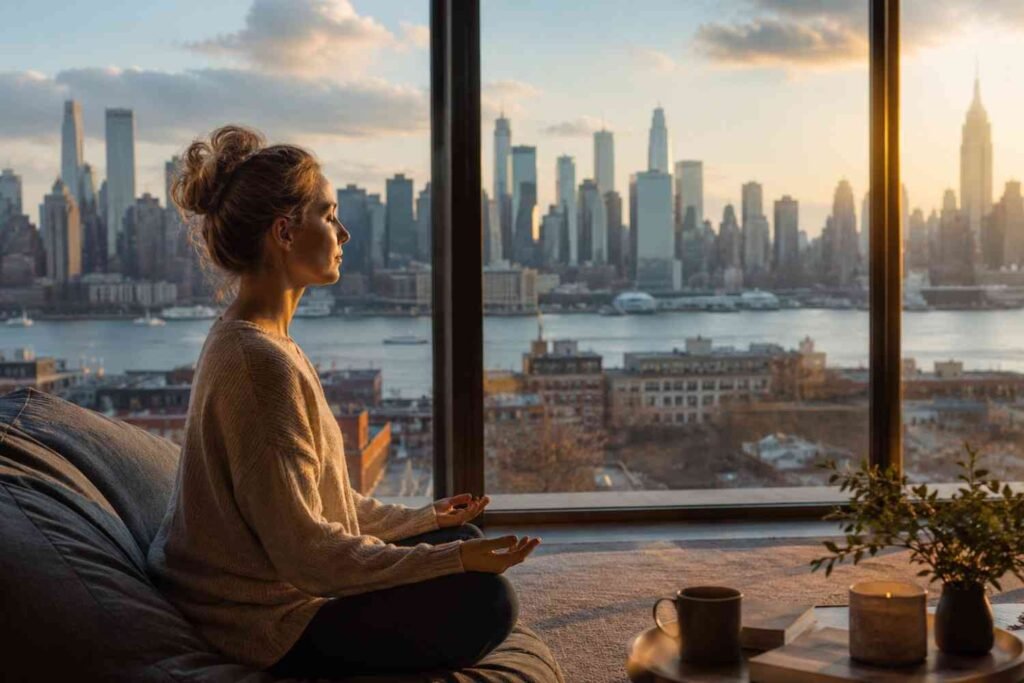
Home is one of the easiest places to begin meditating because it already feels familiar and comfortable. You do not need a studio or retreat to create a calming experience. A quiet corner, a chair, or even the side of your bed can work perfectly.
Meditating at home also removes pressure. You can practice privately, move at your own pace, and experiment with different techniques without feeling judged. Over time, your brain starts associating that space with calmness and relaxation techniques to reduce stress.
One thing that helped me most was keeping my meditation routine simple. I stopped trying to copy advanced techniques and focused on building a habit I could realistically maintain every day.
How to Prepare Your Space Before Meditating
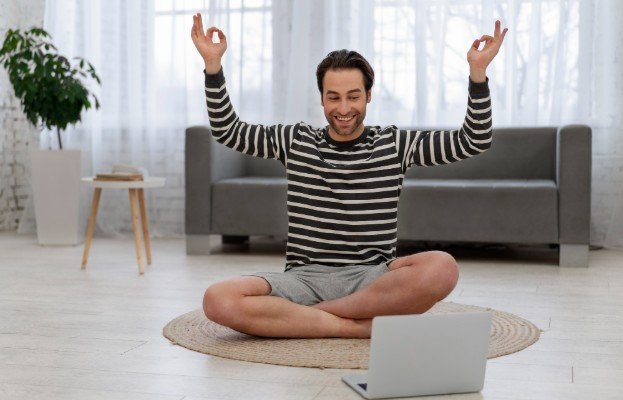
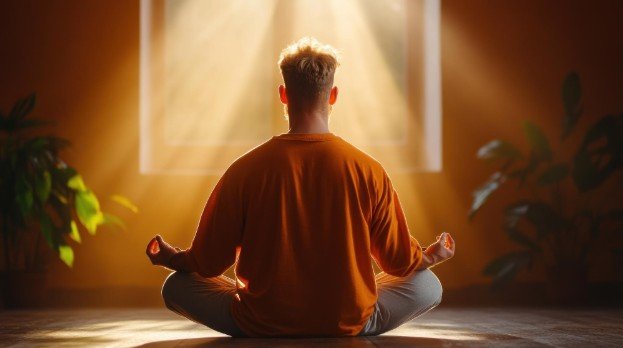
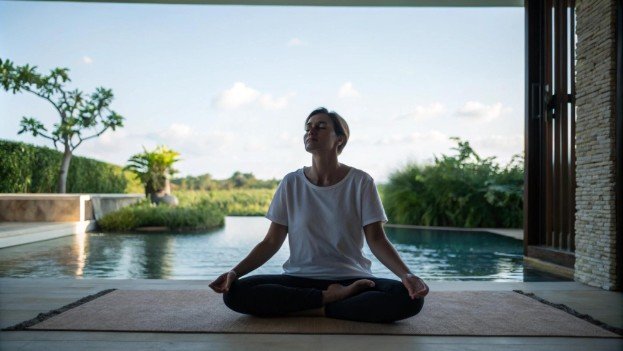
You do not need a perfectly designed meditation room. A clean and distraction-free environment is enough. I usually silence notifications, dim bright lights, and sit somewhere comfortable before starting. Some people prefer sitting cross-legged on the floor, while others feel more relaxed in a chair. Both options are completely fine.
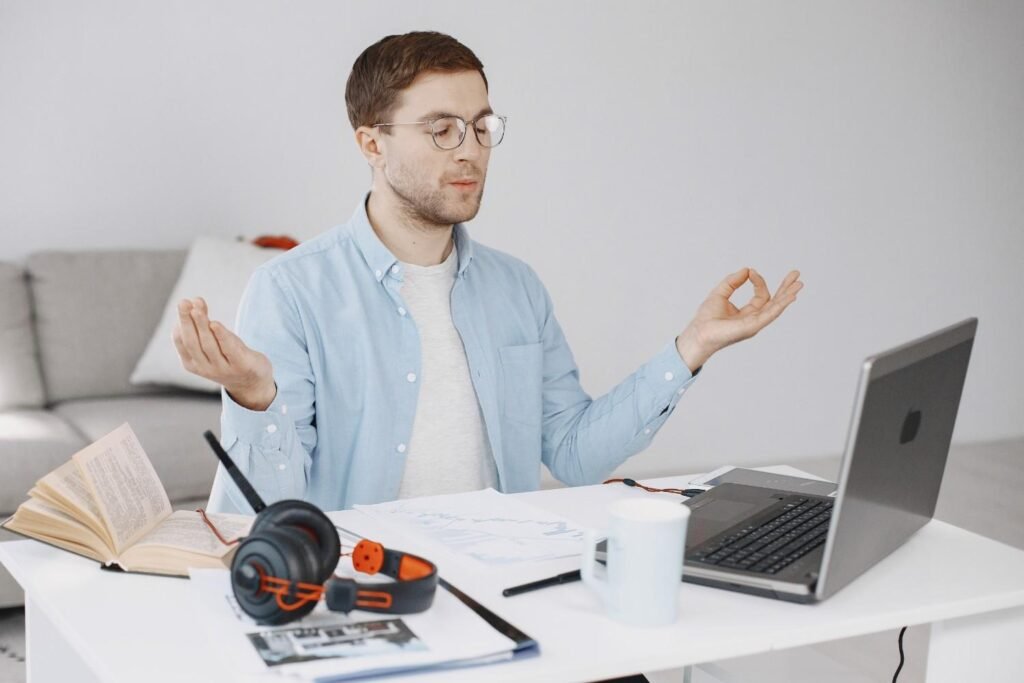
Comfort matters more than appearance. If your body feels strained, your mind will stay distracted. I also found that using headphones with soft ambient sounds helped block background noise during busy days. Morning meditation often feels easier because the mind is quieter before daily stress begins. However, evening meditation can also help release tension after a long day.
How to Meditate Properly at Home for Beginners
The easiest method is simple breathing meditation. Start by sitting comfortably with your back relaxed but upright. Close your eyes gently or keep a soft focus on one object nearby. Take a slow breath in through your nose for four seconds.
Hold briefly, then exhale slowly for six seconds. Continue breathing naturally without forcing anything. As thoughts appear, avoid fighting them. This was the mistake I made for months. Meditation is not about stopping thoughts completely. The goal is to notice them without becoming emotionally attached to them.
Every time your attention drifts, calmly return your focus to your breathing. That repeated return is part of the practice itself. Beginners often believe they fail when distractions happen, but distractions are completely normal. Even experienced meditators deal with wandering thoughts.
Best Meditation Techniques to Try at Home
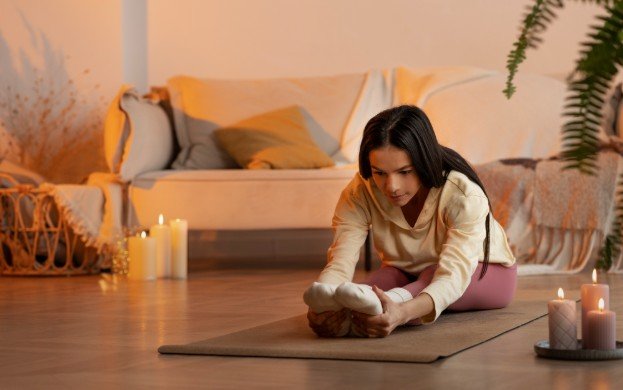
Different techniques work for different personalities. Trying several methods can help you discover what feels natural.
Breathing Meditation
This is the simplest option for beginners. Focusing on breathing helps calm the nervous system and improves concentration gradually.
Body Scan Meditation
This technique involves mentally scanning different parts of the body from head to toe. It helps release physical tension and improves awareness of stress stored in the body.
Guided Meditation
Guided sessions are useful when your mind feels especially busy. Listening to a calm voice can make meditation feel easier and less intimidating.
Mindfulness Meditation
Mindfulness focuses on observing thoughts, emotions, sounds, and sensations without judgment. This practice helped me become more emotionally aware throughout daily life.
Common Mistakes That Make Meditation Harder
Many beginners unintentionally overcomplicate meditation. Trying too hard to “clear the mind” often creates frustration instead of calmness. The brain naturally produces thoughts. Meditation simply teaches you how to respond differently to them.
Another common mistake is sitting for too long too soon. Starting with five minutes is often more effective than forcing yourself through thirty uncomfortable minutes. Inconsistent practice also slows progress. Short daily sessions usually work better than occasional long sessions.
I also learned that perfectionism quietly ruins meditation. Some days feel peaceful while others feel mentally chaotic. Both experiences are completely normal parts of the process.
How Long Should You Meditate Each Day?
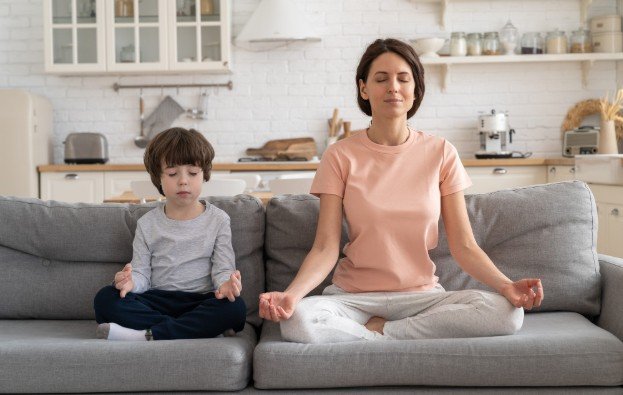
You do not need an hour-long routine to experience benefits. Most beginners can start with five to ten minutes daily. Many daily meditation benefits become noticeable through short, consistent sessions rather than long occasional practices. Once meditation feels more comfortable, sessions can naturally become longer.
Consistency matters more than duration. Small daily practice sessions train the brain more effectively than random extended sessions. I noticed changes within a few weeks. My reactions became calmer, my concentration improved, and I felt less mentally overwhelmed during stressful situations.
How to Build a Meditation Habit That Lasts
The easiest way to stay consistent is attaching meditation to an existing routine. Some people meditate immediately after waking up. Others prefer meditating before bed to unwind mentally. I personally found success meditating after my morning coffee because it became easier to remember.
Tracking progress can also help motivation. A simple calendar checkmark or journal entry creates visible consistency over time. It is also important to avoid judging your sessions too harshly. Meditation is a long-term skill, not a quick performance test.
Frequently Asked Questions
1. How long does it take to learn how to meditate properly at home?
Most people start feeling small benefits within a few weeks of consistent practice. Meditation becomes easier with repetition and patience.
2. Can I meditate while lying down?
Yes. However, many people become sleepy while lying down. Sitting upright often improves focus and awareness.
3. What if my mind keeps wandering during meditation?
That is completely normal. Gently returning attention to your breathing is actually part of the meditation practice itself.
4. Is it okay to meditate without music?
Absolutely. Some people prefer silence, while others enjoy ambient sounds or guided sessions. Both approaches work well.
Final Thoughts
Meditation became much easier once I stopped treating it like a performance. I realized there was no perfect way to sit, breathe, or think. The real benefit came from simply showing up consistently and giving myself a few quiet moments every day.
Over time, meditation helped me slow down mentally, manage stress more calmly, and feel more connected to the present moment. Some sessions still feel distracted, but that no longer discourages me. The habit itself is what creates lasting change. Starting small, staying patient, and practicing regularly made the biggest difference for me.