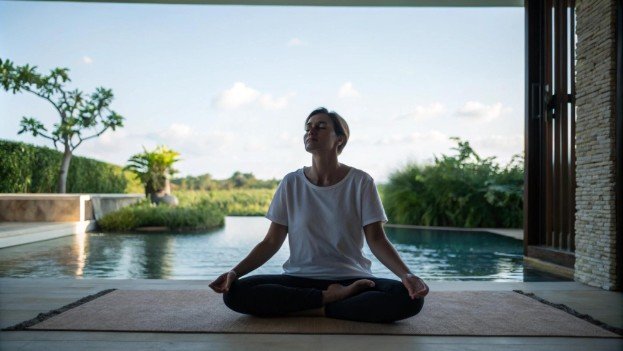
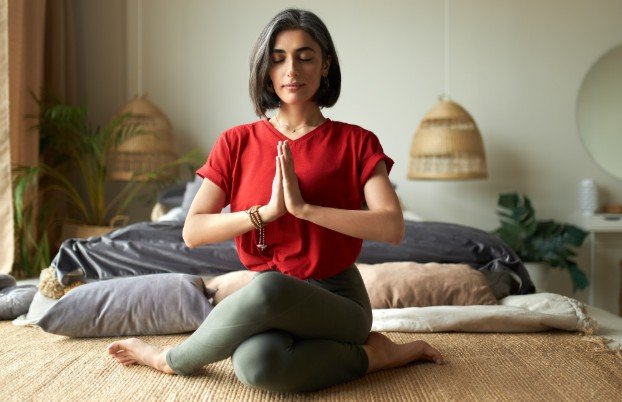
My attention span used to feel completely scattered. I would switch between notifications, unfinished tasks, and constant mental noise without realizing how exhausted my brain had become. Even during quiet moments, my thoughts kept racing from one thing to another.
That changed when I started practicing short meditation exercises for focus during busy parts of the day. I did not begin with long sessions or complicated routines. I simply gave myself a few quiet minutes to breathe, slow down, and mentally reset.
What surprised me most was how quickly small mindfulness habits affected my concentration. I felt calmer during stressful situations, less reactive to distractions, and more mentally clear while working. The biggest benefit was realizing that improving focus does not always require extreme productivity systems. Sometimes the brain simply needs a moment of stillness.
How Short Meditation Sessions Improve Mental Clarity
Many people assume meditation only works if you sit silently for an hour. In reality, brief sessions can still help calm mental overload and improve attention.
When your brain constantly processes notifications, conversations, social media, and multitasking, your nervous system rarely gets a chance to slow down. Meditation interrupts that cycle by redirecting attention toward the present moment.
Simple breathing techniques help lower mental tension while improving awareness. Instead of letting thoughts pull your attention everywhere at once, mindfulness teaches you to gently return your focus to one thing at a time. Over time, this practice can improve concentration, emotional regulation, patience, and overall mental clarity.
One-Minute Breathing Reset
This is one of the easiest techniques to start with because it requires no special setup. Sit comfortably and relax your shoulders. Slowly breathe in through your nose for four seconds. Hold briefly, then exhale slowly for six seconds. Repeat this pattern for one minute.
I often use this method before starting work or after spending too much time online. The slow exhale helps calm physical tension while making the mind feel more organized.
Focused Attention Meditation
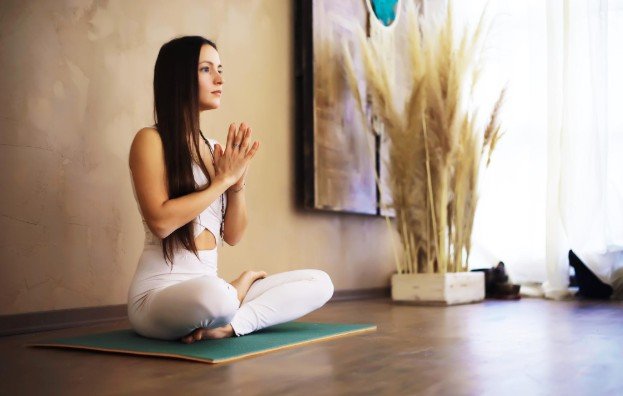
Focused attention meditation works by training your brain to stay connected to one object or sensation. Close your eyes and focus only on your breathing. Notice the air entering your nose and leaving your body. Each time your thoughts wander, gently bring your attention back to your breath.
The goal is not to stop thinking completely. The goal is learning how to redirect attention without frustration. At first, your mind may drift constantly. That is completely normal. Consistency matters more than perfection.
Five-Senses Grounding Exercise
This exercise works especially well during stressful or sensory overload moments. Pause and identify:
- Five things you can see
- Four things you can touch
- Three things you can hear
- Two things you can smell
- One thing you can taste
This technique pulls attention away from mental chaos and reconnects you with your surroundings. I often use it when my thoughts feel overwhelming or emotionally scattered. Grounding exercises can quickly reduce mental fatigue because they interrupt spiraling thought patterns.
Mini Body Scan Meditation
Many people carry stress physically without realizing it. Tight shoulders, jaw tension, headaches, and restlessness often build quietly throughout the day. A body scan meditation helps release that tension, especially when combined with breathing meditation for relaxation that encourages slower, deeper breathing patterns.
Close your eyes and slowly bring awareness to different parts of your body. Start at your feet and gradually move upward toward your head. Notice any tightness without judging it. As you breathe slowly, allow each area to soften naturally. This practice helps reconnect the mind and body while creating a calmer emotional state.
Mindful Walking for Mental Reset
Meditation does not always require sitting still. Walking mindfully can also improve concentration. Instead of rushing through a walk while scrolling on your phone, pay attention to your movement, breathing, and surroundings. Notice sounds, textures, temperature, and physical sensations as you walk.
I noticed this exercise helped me reset mentally after long periods of screen time. Even a few quiet minutes outdoors made my thoughts feel less cluttered. Mindful walking also feels more approachable for people who struggle with different types of meditation.
Best Time to Practice Meditation
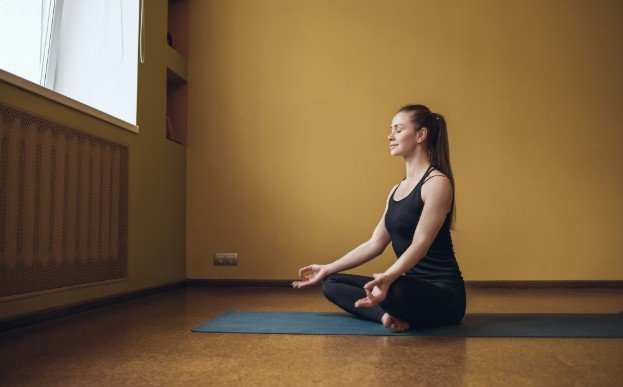
There is no perfect universal schedule. The best time is usually whenever your mind feels overloaded or distracted. Some people prefer mornings because meditation creates a calmer start to the day. Others use mindfulness during work breaks, after stressful conversations, or before sleep.
I personally found that short sessions worked best during transition periods. Pausing for a few minutes between tasks helped me feel less mentally drained throughout the day. Consistency matters more than duration. Even a few intentional minutes practiced regularly can create noticeable changes over time.
Common Meditation Mistakes Beginners Make
One of the biggest mistakes is expecting instant silence in the mind. Meditation is not about eliminating thoughts completely. Another mistake is judging yourself whenever distractions happen. Wandering thoughts are normal. The practice simply teaches you how to return your attention gently instead of becoming frustrated.
Many beginners also give up too quickly because they believe short sessions are ineffective. In reality, small daily habits are often easier to maintain long term. Meditation should feel supportive rather than stressful.
Frequently Asked Questions
1. Are short meditation exercises for focus good for beginners?
Yes. Brief mindfulness sessions are often easier for beginners because they feel less intimidating and easier to maintain consistently. Starting small also helps meditation become a realistic daily habit.
2. How long should a meditation session last?
Many people start with one to five minutes. Once meditation feels more comfortable, sessions can naturally become longer over time.
3. Can meditation improve productivity?
Meditation may improve concentration, emotional balance, and mental clarity, which can help people stay more productive throughout the day.
4. What if my mind keeps wandering?
That is completely normal. Meditation is not about having a perfectly empty mind. It is about repeatedly bringing your attention back without judgment.
A Calmer Way to Refocus Your Mind
The biggest lesson I learned from meditation is that mental clarity often comes from slowing down instead of constantly pushing harder. Small moments of stillness can completely change how your brain responds to stress, distractions, and emotional overwhelm.
Once I stopped expecting perfection and focused on consistency instead, mindfulness became far more helpful and sustainable. Even a few quiet minutes during a busy day can create a noticeable mental reset. Sometimes the simplest habits end up creating the biggest changes in focus, balance, and emotional calm.