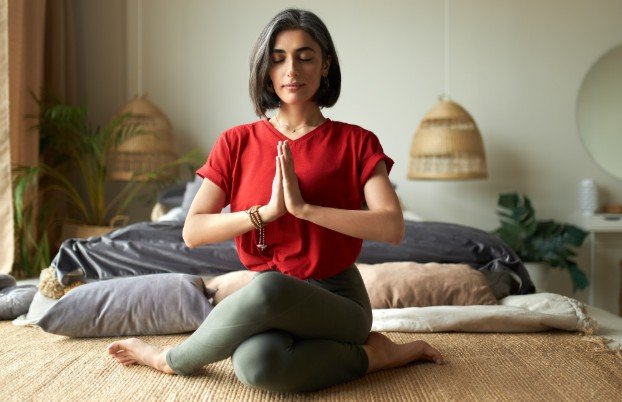

I thought meditation was only about sitting silently and forcing my mind to go blank. Later, I realized that was completely wrong. The more I studied What Science Says About Meditation, the more I understood that meditation is less about escaping thoughts and more about training attention, awareness, and emotional control.
Why Meditation Is Studied So Much Today
Meditation has become popular because modern life keeps the mind constantly busy. Notifications, stress, work pressure, poor sleep, and emotional overload can make the brain feel tired.
Researchers study meditation because it may help calm the nervous system, improve attention span, and reduce stress responses. It does not work like magic, but regular practice can support better mental balance over time.
How Meditation Affects the Brain
Meditation trains the brain to notice thoughts without reacting to every one of them. This can improve self-awareness and help people pause before responding emotionally.
Studies suggest meditation may influence areas linked to attention, memory, emotional control, and stress regulation. That is why many people use mindfulness meditation for focus, anxiety, and daily stress relief.
Science-Backed Benefits of Meditation
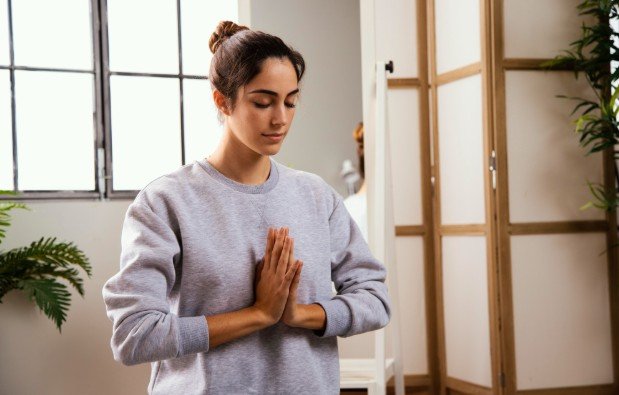
Meditation May Reduce Stress
Stress is one of the biggest reasons people start meditating. When the body stays tense for too long, it can affect mood, sleep, digestion, and focus. Meditation helps by slowing breathing, relaxing the body, and slowing down racing thoughts. Even a short daily practice can make stress feel more manageable.
Meditation May Improve Focus
A distracted mind jumps from one thought to another. Meditation strengthens attention by teaching the brain to return to one point of focus, such as the breath. This is why meditation can help students, professionals, creators, and anyone who struggles with concentration.
Meditation May Support Emotional Balance
Meditation does not remove emotions. Instead, it helps you notice emotions without being controlled by them. With regular practice, anger, sadness, worry, and frustration may feel less overwhelming. This makes meditation helpful for emotional regulation and self-reflection.
Meditation May Improve Sleep Quality
What Research Still Does Not Claim
Meditation is helpful, but it is not a cure for every problem. It should not replace medical care, therapy, or professional support when those are needed. Science shows promising benefits, but results vary from person to person. Some people feel calmer quickly, while others need weeks of consistent practice.
Best Types of Meditation for Beginners

Mindfulness meditation is one of the easiest ways to start. You sit quietly, focus on your breath, and gently return your attention when your mind wanders.
Breathing meditation works well for stress relief. Body scan meditation helps release physical tension. Loving-kindness meditation can support compassion and emotional healing.
How Long Does Meditation Take to Work?
You do not need long sessions. Five to ten minutes a day is enough for beginners. The key is consistency. Meditation works best when it becomes a small daily habit instead of something you only try during stressful moments.
Frequently Asked Questions
1. What Does What Science Says About Meditation mean?
It means looking at meditation through research, brain science, psychology, and real mental health benefits instead of only spiritual claims.
2. Is meditation scientifically proven?
Meditation has research-backed benefits for stress, focus, emotional regulation, and sleep. However, results depend on consistency and personal needs.
3. Can meditation help anxiety?
Meditation may help reduce anxious thoughts by calming the body and improving awareness, but severe anxiety should be discussed with a qualified professional.
4. How should a beginner start meditating?
Start with five minutes daily. Sit comfortably, focus on your breathing, and gently return your attention whenever your mind wanders.
Final Thoughts for a Calmer Mind
After learning What Science Says About Meditation, I no longer see it as a complicated wellness trend. I see it as a simple mental training habit.
It helps me slow down, notice my thoughts, and respond to life with more clarity. Meditation does not make every day perfect, but it can make the mind feel steadier, calmer, and easier to manage.