

My mind used to feel like a browser with too many tabs open at the same time. Even during quiet moments, I kept thinking about unfinished tasks, clutter around the house, notifications on my phone, and everything I still needed to organize. I was always mentally busy, but rarely mentally clear.
At first, I thought I needed more motivation or better routines. What I actually needed was less noise.
I began simplifying small areas of my life without expecting dramatic results. I removed things I no longer used, reduced digital distractions, and stopped overwhelming my schedule with unnecessary commitments. The surprising part was how much lighter my mind started feeling afterward.
That is what made me truly understand the benefits of minimalist living mental clarity. Minimalism is not about living with almost nothing. It is about creating enough space in your life for focus, calmness, and peace to return naturally.
What Is Minimalist Living and Why Does It Affect Mental Clarity?
Minimalist living focuses on intentionally removing excess from your environment, habits, and lifestyle so you can focus on what truly matters.
That does not mean living in an empty apartment with one chair and five shirts. Modern minimalism is far more realistic than that.
For many people, it simply means reducing unnecessary physical clutter, limiting distractions, managing time more intentionally, and avoiding constant overstimulation.
Mental clarity improves because your brain processes fewer competing inputs throughout the day. Research on clutter and stress repeatedly shows that overstimulating environments increase cognitive fatigue, anxiety, and difficulty concentrating.
As your environment becomes calmer and more organized, you may also notice improvements in emotional balance, decision-making, and even learn how to build self confidence through more intentional daily habits and a stronger sense of control over your life.
When your environment feels calmer, your brain often follows.
How Clutter Impacts Stress and Mental Overload
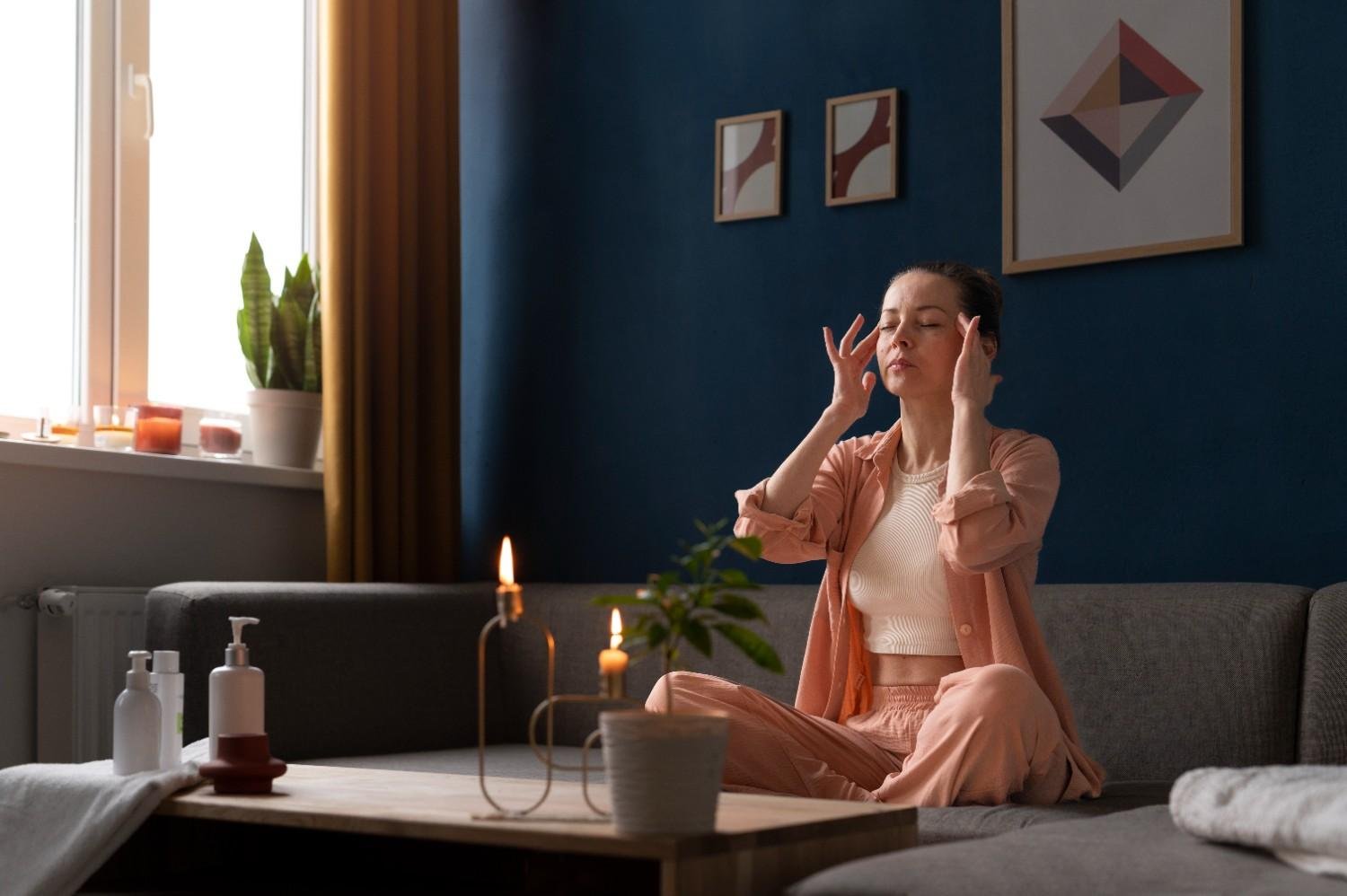
Physical clutter creates visual noise. Even when you stop consciously noticing it, your brain still processes it in the background.
I noticed this most while working from home. My desk is constantly filled with random papers, unopened packages, charging cables, notebooks, and unfinished tasks. Even when I tried focusing, my attention felt fragmented.
After simplifying my workspace, I felt mentally lighter almost immediately.
This connection between clutter and stress explains why decluttering for mental health has become increasingly popular in the US. Many people now recognize that overloaded environments contribute to emotional exhaustion and decision fatigue.
Minimalist spaces often create:
- Reduced visual stress
- Better concentration
- Improved emotional calm
- Lower anxiety levels
- Better sleep quality
- More intentional habits
The goal is not perfection. The goal is reducing unnecessary mental pressure.
Benefits of Minimalist Living Mental Clarity for Daily Life
Improved Focus and Productivity
One of the biggest changes I experienced was improved focus.
Modern life constantly competes for attention through social media, notifications, emails, advertisements, streaming platforms, and endless digital distractions. Minimalism helps reduce that constant stimulation.
When your environment becomes simpler, your brain spends less energy filtering distractions.
Many professionals now combine minimalist living with deep work strategies, time blocking, and digital detox habits because they improve concentration and productivity together.
This is also why intentional living and productivity are closely connected online. People want calmer routines that support sustained focus instead of constant multitasking.
Reduced Decision Fatigue
Most people underestimate how many small decisions they make every day.
What should I wear?
What should I clean first?
What should I buy?
Which app should I check?
What should I organize next?
Too many choices drain mental energy.
One reason capsule wardrobes and simplified home organization continue growing in popularity is because they reduce daily cognitive overload. Fewer unnecessary decisions create more mental space for meaningful priorities.
I personally noticed this after simplifying my morning routine. My mornings became calmer, faster, and less mentally exhausting.
Better Emotional Balance
Minimalism also improves emotional wellness.
When your home, finances, schedule, and digital life feel chaotic, emotional stress often increases. Simplifying those areas creates a greater sense of control and stability.
Many therapists now discuss the connection between simple living and mental health because overwhelmed environments can intensify anxiety and emotional fatigue.
Minimalist living does not solve every emotional struggle, but it can reduce unnecessary external pressure that contributes to chronic stress.
How Digital Minimalism Improves Mental Clarity
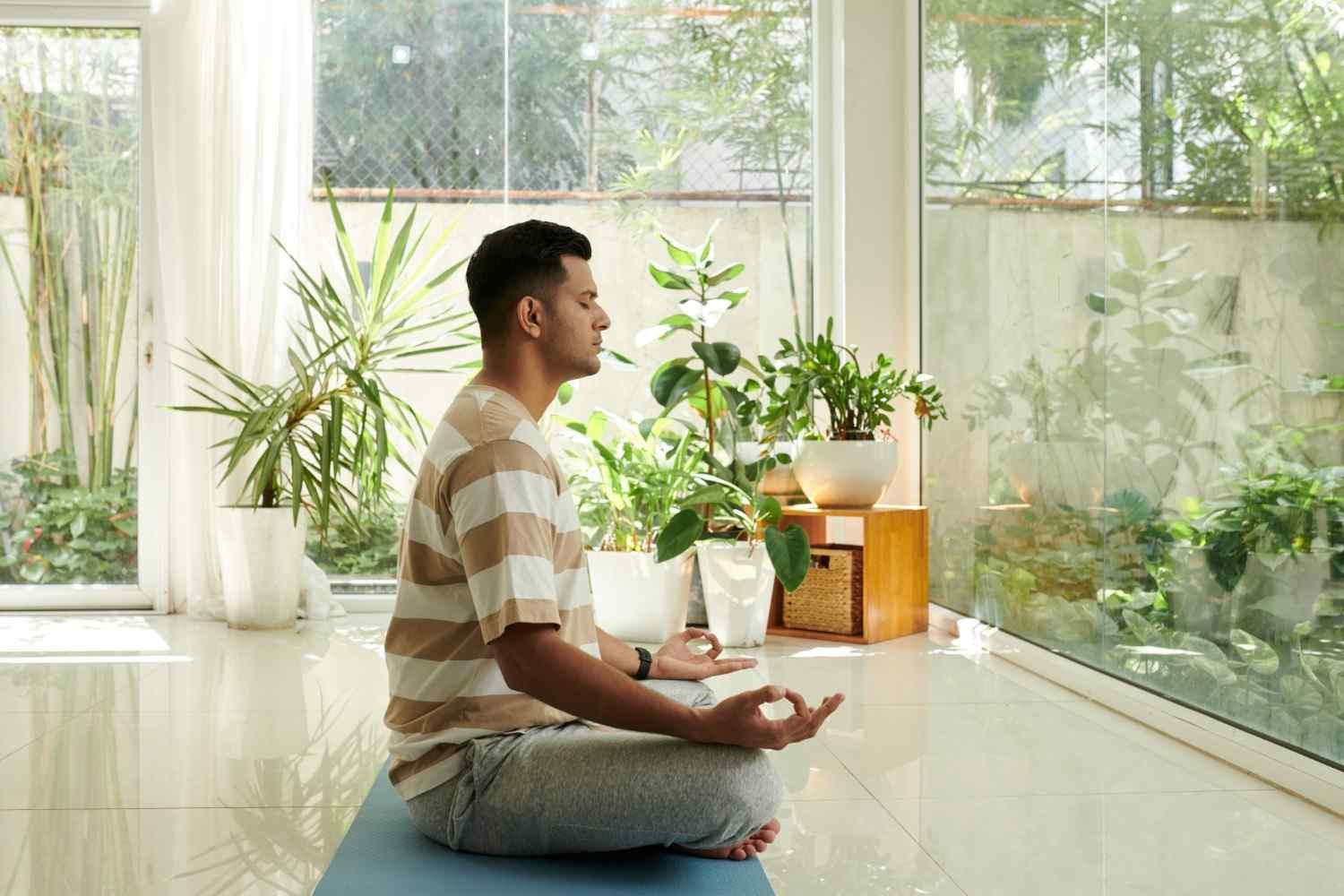
Physical clutter is only one part of the problem.
Digital overload has become one of the biggest mental health challenges in modern American lifestyles.
Phones constantly demand attention through notifications, short-form videos, messages, shopping apps, and social media feeds designed to keep users engaged for hours.
I realized my attention span felt weaker after years of nonstop scrolling.
That is why digital minimalism has become increasingly important for mental clarity.
Simple changes helped me significantly:
- Turning off unnecessary notifications
- Reducing social media time
- Cleaning out unused apps
- Creating screen-free hours
- Limiting multitasking
- Avoiding constant background entertainment
The mental difference became noticeable within days.
My focus improved. My stress levels dropped. Conversations became more present and meaningful.
Minimalist Living and Better Financial Peace
Financial stress often contributes heavily to mental exhaustion.
Consumer culture encourages constant buying, upgrading, and comparison. Minimalist living encourages more intentional spending habits instead.
This shift helped me become more aware of emotional spending and impulse purchases.
Many Americans now pursue minimalist lifestyles because they want:
- Less financial pressure
- Reduced debt stress
- Better budgeting habits
- More savings
- Greater long-term stability
Financial simplicity often creates emotional relief because fewer financial obligations reduce daily stress.
How to Start Minimalist Living Without Feeling Overwhelmed
One mistake people make is trying to transform their entire life overnight.
That approach usually creates burnout.
I found it far more effective to simplify gradually.
Start with one drawer, one closet, one room, or one digital habit. Small wins build momentum.
Minimalism works best when it feels sustainable instead of restrictive.
You can begin by:
- Removing items you no longer use
- Simplifying your schedule
- Limiting digital distractions
- Reducing unnecessary purchases
- Creating calmer morning routines
- Prioritizing experiences over possessions
The goal is not deprivation. The goal is intentionality.
Common Minimalism Mistakes That Hurt Mental Clarity

Many beginners accidentally turn minimalism into another source of stress.
Some people become obsessed with owning as little as possible. Others compare their homes to unrealistic social media aesthetics.
That pressure defeats the purpose entirely.
Healthy minimalism should support your life, not control it.
I learned that mental clarity improved most when minimalism became flexible and practical instead of extreme. Your version of simple living should fit your lifestyle, responsibilities, and personal goals.
Frequently Asked Questions (FAQs)
1. How do the benefits of minimalist living mental clarity improve focus?
Minimalist living reduces distractions, visual clutter, and unnecessary decision-making. This allows the brain to focus more effectively on important tasks without constant overstimulation.
2. Does minimalist living reduce anxiety?
For many people, yes. Simpler environments and routines often reduce stress triggers, improve organization, and create a stronger sense of control over daily life.
3. Can digital minimalism improve mental health?
Reducing excessive screen time and limiting digital distractions may help improve concentration, emotional balance, sleep quality, and overall mental wellness.
4. Do you need to own very little to become a minimalist?
No. Minimalism is about intentional living, not extreme deprivation. Most people simply focus on reducing unnecessary excess and creating calmer routines.
5. Why is decluttering connected to mental clarity?
Clutter increases visual and mental stimulation. Decluttering often creates calmer environments that reduce cognitive overload and improve focus.
A Simpler Mindset That Changed My Daily Life
The biggest lesson I learned from minimalism is that mental clarity rarely comes from adding more to life. Most of the time, it comes from removing what constantly drains your attention, energy, and peace.
Once I simplified my environment, routines, and digital habits, everyday life started feeling lighter and more manageable. I became more present, more focused, and less emotionally overwhelmed.
That is why the benefits of minimalist living mental clarity continue resonating with so many people today. In a world built around constant noise and distraction, simplicity can feel surprisingly powerful.