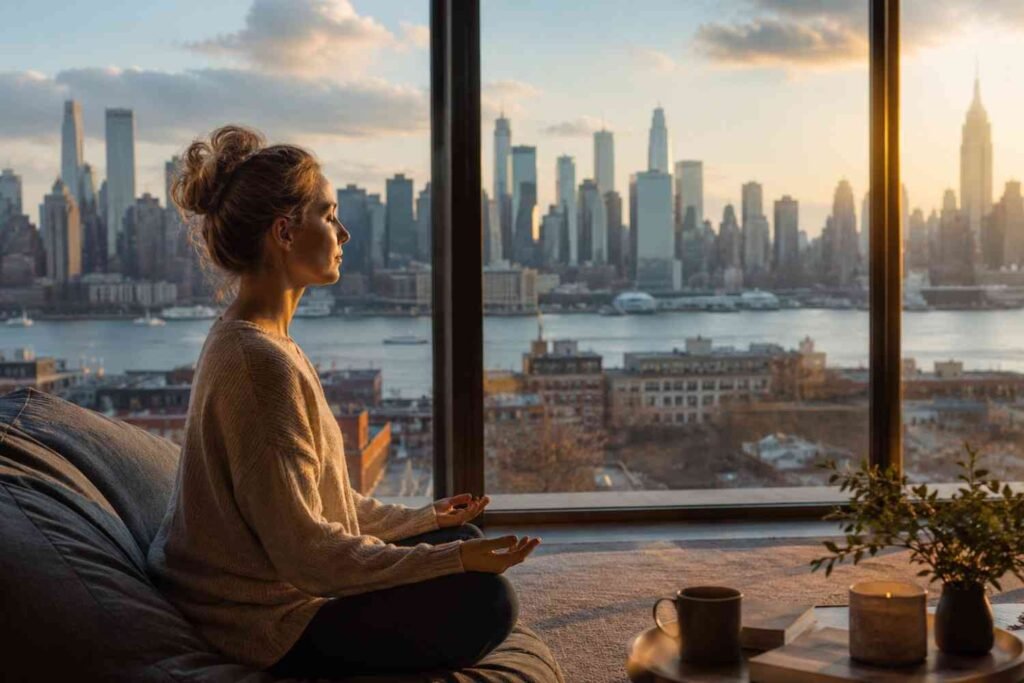

One of the most uncomfortable things I ever tried was sitting alone with my own thoughts.
No music. No scrolling. No constant notifications competing for my attention.
At first, it felt strange because I was so used to filling every quiet moment with distractions. But after a while, I started noticing something important. The more intentional time I spent alone, the more clearly I understood myself.
That was the moment I became genuinely interested in solo activities for self growth.
I started doing small things independently that had nothing to do with impressing anyone else. I explored bookstores alone, spent time outdoors without rushing, learned new skills at my own pace, and created routines that improved my mental clarity instead of draining it.
Those quiet habits slowly changed the way I handled stress, confidence, productivity, and even relationships. Instead of constantly looking outward for validation or stimulation, I finally learned how to feel comfortable in my own space.
Looking back, some of my biggest personal breakthroughs happened when nobody else was around.
Why Solo Activities Matter for Personal Growth
Spending intentional time alone helps you slow down and notice what you actually think, feel, and want. Many people move through life reacting to stress, routines, and outside opinions without creating space for self-reflection.
Solo activities create that space.
When I started doing more activities alone, I noticed several benefits almost immediately. My stress levels improved. I became more comfortable making decisions independently. My creativity increased because my mind finally had room to think clearly.
Many personal development experts also connect healthy solitude with stronger emotional regulation, mindfulness, resilience, and self-awareness.
The key difference is intentionality. Sitting alone scrolling social media rarely creates growth. Purposeful solo activities do.
Best Solo Activities for Self Growth
Journaling for Self-Awareness

Journaling became one of the most effective self improvement activities I added to my routine.
Writing down thoughts helps organize emotions and identify patterns you may otherwise ignore. I started noticing what triggered stress, what improved my mood, and what habits drained my energy.
You do not need complicated prompts to begin. Start with simple questions like:
“What made me feel energized today?”
“What is currently stressing me out?”
“What kind of person do I want to become?”
Over time, journaling improves emotional clarity and helps you become more intentional about your choices.
Taking Solo Walks Without Distractions
One of the simplest activities to do alone is taking a quiet walk without music, podcasts, or constant phone use.
At first, this felt uncomfortable because my brain expected nonstop stimulation. Eventually, those walks became one of the calmest parts of my day.
Walking alone helps reduce mental clutter while improving focus and emotional balance. Many people also use solo walks for mindfulness, stress management, and creative thinking.
This is one of the easiest solo hobbies for mental health because it costs nothing and works almost anywhere.
Reading Personal Development Books
Reading remains one of the most powerful personal development activities available.
Books expose you to different perspectives, habits, strategies, and life experiences that can completely reshape how you think.
I personally noticed that reading regularly improved both my confidence and patience. It also reduced how much time I spent mindlessly consuming short-form content online.
Some of the best self growth books focus on confidence, emotional intelligence, productivity, mindfulness, communication, and discipline.
Learning a New Skill Alone
Few things build confidence faster than learning something completely new independently.
That skill could be cooking, photography, coding, fitness training, painting, video editing, public speaking, or learning a language.
The activity itself matters less than the process. Personal growth often happens when you challenge yourself consistently.
Learning alone also teaches problem-solving and patience because nobody else is directing the process for you.
Indoor Solo Activities for Personal Growth
Meditation and Mindfulness Practice

Meditation helped me become more aware of how often stress and distractions controlled my attention.
Even ten minutes of mindfulness each day can improve emotional regulation, focus, and self-awareness. Many people also use meditation for anxiety management and mental clarity.
If traditional meditation feels intimidating, start small. Sit quietly, focus on your breathing, and gently redirect your attention whenever your thoughts wander.
This practice becomes easier over time.
Decluttering Your Space
Your environment affects your mental state more than most people realize.
When my room felt chaotic, my mind often felt chaotic too. Decluttering created a stronger sense of calm and control.
Organizing your environment also reinforces discipline and intentional living. Many people interested in minimalist living mental clarity benefits start with simple decluttering habits because physical clutter often increases mental overload.
Cooking Healthy Meals for Yourself
Cooking alone can become a surprisingly therapeutic experience.
Preparing meals teaches patience, creativity, planning, and self-care simultaneously. It also helps develop healthier routines instead of constantly relying on convenience food.
I noticed that cooking intentionally made me more mindful about my overall lifestyle habits.
Outdoor Solo Activities That Build Confidence
Taking Yourself on Solo Dates
Learning how to enjoy your own company is a major part of emotional independence.
Going to a coffee shop, museum, bookstore, beach, movie theater, or restaurant alone may feel uncomfortable initially. Eventually, it becomes empowering.
Solo dates helped me stop relying on constant social validation to enjoy experiences.
This is one of the most overlooked solo activities for self growth because it directly improves confidence and independence.
Spending Time in Nature
Nature naturally slows down mental overstimulation.
Whether it is hiking, sitting near water, visiting a botanical garden, or exploring local parks, outdoor solitude often creates emotional clarity that busy environments cannot provide.
Many people now combine nature exposure with mindfulness because it improves stress management and emotional well-being simultaneously.
Creative Solo Activities That Improve Self-Expression

Creativity is deeply connected to emotional health, confidence, and overall emotional well being. Activities like painting, writing, photography, music, or content creation help express thoughts and emotions that may otherwise stay internalized.
I noticed creative hobbies reduced stress while improving my sense of accomplishment. They also made my free time feel more meaningful instead of purely distracting.
Creative solo activities also encourage experimentation without fear of judgment from others.
How to Make Alone Time Feel Meaningful Instead of Lonely
One important lesson I learned is that healthy solitude feels very different from isolation.
Loneliness often feels passive and emotionally draining. Intentional solitude feels restorative and empowering.
The difference usually comes from how you spend your time.
When you fill alone time with growth-oriented habits, reflection, movement, creativity, and self-care, your relationship with yourself improves dramatically.
That confidence eventually carries into relationships, work, communication, and everyday decision-making.
Frequently Asked Questions (FAQs)
1. What are the best solo activities for self growth?
Some of the best solo activities for self growth include journaling, meditation, reading, solo walks, creative hobbies, learning new skills, exercising, and spending time in nature.
2. How do I enjoy spending time alone?
Start with activities that genuinely interest you instead of forcing isolation. Solo coffee shop visits, reading, creative hobbies, and mindful walks can make alone time feel enjoyable and productive.
3. Can solo activities improve mental health?
Yes. Many solo self care activities help reduce stress, improve emotional awareness, increase confidence, and support healthier coping habits.
4. What are good self improvement activities for beginners?
Beginners often start with journaling, daily walks, meditation, reading, fitness routines, and simple creative hobbies because they are easy to maintain consistently.
5. Why is learning to be alone important?
Learning how to enjoy your own company builds emotional independence, confidence, resilience, and stronger self-awareness.
Creating a Better Relationship With Yourself
The biggest change I experienced from doing more things alone was realizing that self growth does not always require massive life changes.
Sometimes growth starts quietly.
A solo walk can clear your mind. Journaling can reveal emotional patterns. Learning a new skill can rebuild confidence. Spending intentional time alone can also help you recognize early signs of emotional burnout before stress becomes overwhelming.
Once I stopped viewing solitude as emptiness and started seeing it as personal space for growth, everything began to feel more balanced, focused, and meaningful.