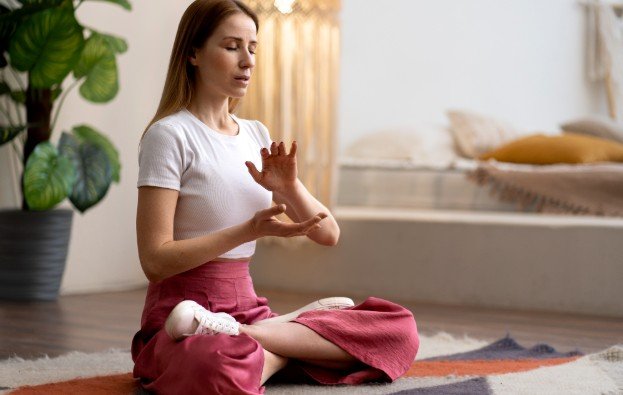

Emotional healing meant forgetting what hurt me. Over time, I learned it is not about forcing pain away. It is about creating enough inner safety to feel, understand, and release what I have been carrying. That is why How Meditation Helps Emotional Healing became such an important topic for me.
Meditation gives the mind a quiet place to slow down. When emotions feel heavy, the nervous system often stays alert, tense, and reactive. A few minutes of stillness can help the body shift from survival mode into a calmer state. That small pause can make sadness, anger, grief, or anxiety feel less overwhelming.
What Emotional Healing Really Means
Emotional healing is the process of understanding painful feelings instead of avoiding them. It may involve grief, stress, rejection, trauma, guilt, fear, or old memories that still affect daily life.
Healing does not always feel peaceful at first. Sometimes meditation brings up tears, tightness, or memories. That does not mean something is wrong. It often means the mind finally feels safe enough to process what was buried.
How Meditation Calms Emotional Pain
Meditation helps by slowing the breath, relaxing the body, and bringing attention back to the present moment. When I sit quietly and breathe, I notice my thoughts without letting them control me.
This matters because emotional pain often grows stronger through overthinking. Meditation creates space between the feeling and the reaction. Instead of snapping, shutting down, or spiraling, I can pause and respond with more care.
Meditation Builds Emotional Awareness

One of the biggest benefits of meditation is self-awareness. Many people feel stressed without knowing the real trigger. Meditation helps reveal hidden patterns. You may notice that anger really hurts.
You may see that anxiety is connected to fear of failure. You may realize that sadness appears when you ignore your own needs. This awareness is powerful because emotions become easier to manage once they are named clearly.
Meditation Supports Self-Compassion
Emotional healing needs kindness. Many people are harder on themselves than anyone else. Meditation teaches a softer inner voice. Loving-kindness meditation is especially helpful. In this practice, you repeat gentle phrases like, “May I be safe,” “May I be peaceful,” or “May I heal.”
These words may feel simple, but they slowly train the mind to stop attacking itself. Self-compassion does not erase pain overnight. But it helps you stop adding shame on top of the pain.
Best Meditation Practices for Emotional Healing
Breath Awareness Meditation
This is the easiest place to start. Sit comfortably, close your eyes, and focus on your breathing. When thoughts come, return to the breath. Try this for five minutes daily. Inhale slowly, exhale gently, and let your body settle. This practice is useful when emotions feel intense.
Body Scan Meditation
A body scan helps you notice where emotions live in the body. Stress may appear as tight shoulders, chest pressure, stomach tension, or teeth grinding.
Move your attention from your head to your feet. Notice each area without judgment. This can help release emotional tension stored physically.
Guided Meditation for Emotional Release
Guided meditation works well for beginners because a calm voice leads the process. It can help you stay focused when your mind feels too busy.
Choose a short session focused on emotional healing, grief, anxiety, or self-compassion. Keep it simple and consistent.
Journaling After Meditation
After meditation, write down what came up. You do not need perfect sentences. Just note feelings, thoughts, memories, or body sensations.
Why You May Cry During Meditation

Crying during meditation is common. When the body relaxes, emotions that were held back may rise. Tears can be a natural release. Do not force them to stop.
Let the moment pass gently. Take slow breaths, place a hand on your heart, and remind yourself that feeling is part of healing. If meditation brings up intense trauma, panic, or distress, it is wise to work with a licensed therapist or mental health professional.
How Long Does Meditation Take to Help?
Some people feel calmer after one session. Deeper emotional healing takes longer. The goal is not instant transformation. The goal is regular emotional care.
Start with five to ten minutes a day. After one week, you may notice better focus. After a month, you may feel less reactive. With long-term practice, meditation can become a steady support system for emotional balance.
A Simple 7-Day Meditation Plan
Day one can begin with five minutes of breath awareness. Day two can focus on noticing body tension. Day three can include loving-kindness phrases. Day four can use a guided meditation. Day five can combine keeping a meditation journal.
Day six can focus on forgiveness or letting go. Day seven can be a quiet reflection on what changed emotionally. This simple rhythm makes meditation feel less intimidating and more practical.
Frequently Asked Questions
1. How Meditation Helps Emotional Healing for Beginners?
How Meditation Helps Emotional Healing for beginners is by creating quiet space to notice emotions, calm the nervous system, and respond to pain with more patience and self-compassion.
2. Can meditation heal emotional trauma?
Meditation can support trauma healing, but it should not replace therapy. For deep trauma, meditation works best alongside professional support.
3. Is it normal to feel sad after meditation?
Yes, it can be normal. Meditation may bring hidden emotions to the surface. Sadness after meditation can be part of emotional release.
4. What type of meditation is best for emotional healing?
Breath awareness, body scan, loving-kindness meditation, and guided emotional release meditation are all helpful for beginners.
A Calmer Way Forward
I have learned that healing does not always arrive as a big breakthrough. Sometimes it starts with one quiet breath, one honest feeling, and one moment where I stop running from myself.
How Meditation Helps Emotional Healing is simple: it gives the heart room to soften and the mind room to understand. When practiced consistently, meditation can turn emotional pain into awareness, patience, strength, and inner peace.