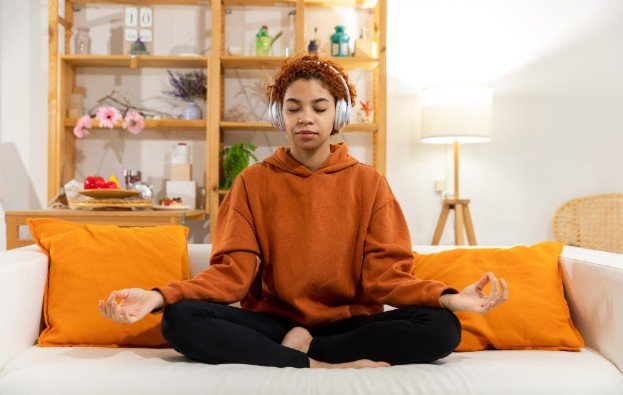

A lot of people technically “rest” on weekends without actually feeling rested. The days disappear into errands, scrolling, catching up on unfinished work, or binge-watching shows while the brain keeps running in the background. Then Sunday night arrives with that familiar feeling that the weekend somehow vanished without leaving any real sense of recovery behind.
That disconnect usually happens because distraction is not the same thing as restoration. Real rest tends to come from activities that calm the nervous system, reduce overstimulation, and create moments where the mind finally stops reacting to constant input. Mindful weekend activities do not need to be expensive, aesthetic, or overly structured. The most effective ones are often simple habits that make your body and mind feel grounded again before Monday begins.
Why Weekends No Longer Feel Truly Restful

Modern routines rarely give the brain a chance to slow down completely. Notifications, short-form content, endless emails, and constant background stimulation train the mind to stay alert all the time.
That overstimulation creates a strange kind of exhaustion where people feel mentally tired but still restless. Even during downtime, many people continue consuming information instead of processing their thoughts.
This is why passive scrolling often leaves people feeling more drained instead of refreshed. The nervous system never fully shifts out of “response mode.”
Mindfulness practices help because they interrupt that cycle. Instead of constantly reacting to screens, noise, and tasks, they bring attention back to physical sensations, breathing, movement, and present-moment awareness.
Simple Grounding Activities That Calm Mental Overload
One of the fastest ways to feel mentally calmer is through sensory grounding. These activities work because they redirect attention away from racing thoughts and back into the body.
The 5-4-3-2-1 grounding technique remains one of the simplest methods:
- 5 things you see
- 4 things you feel
- 3 things you hear
- 2 things you smell
- 1 thing you taste
It sounds small, but grounding exercises like this can interrupt spiraling thoughts surprisingly quickly.
Another underrated reset is mindful coffee or tea drinking. Most people consume drinks while multitasking, scrolling, or rushing. Slowing the process down changes the experience entirely. Listening to the kettle, noticing the aroma, and feeling the warmth of the mug creates a quiet pause many people rarely allow themselves anymore.
Digital detox windows also make a noticeable difference. Even two phone-free hours can reduce mental fatigue and overstimulation. Many wellness experts now connect constant digital input with increased stress, poor focus, and emotional burnout.
Gentle Movement Helps the Nervous System Reset

A lot of people assume recovery always means doing nothing. But sometimes the body needs movement to release accumulated tension from the week.
Gentle forms of movement often work better for mindfulness than intense workouts because they encourage awareness instead of performance.
Some of the most restorative options include:
- long walks
- stretching sessions
- light yoga
- slow bike rides
- mobility exercises
Nature-based movement can feel especially calming because outdoor environments naturally reduce sensory pressure. Even short periods outside can improve mental clarity and lower cortisol levels.
This is one reason slow walks without headphones often feel surprisingly therapeutic. The brain finally gets a break from constant input.
Temperature-based sensory resets can also help regulate stress responses. Cool showers, cold water on the face, or even holding an ice cube briefly can create an immediate grounding effect during emotionally overwhelming weekends.
Reflective Practices Create More Mental Space
Many people carry unfinished thoughts from one week directly into the next without processing them. That mental clutter quietly builds over time.
One of the simplest ways to release it is through a “brain dump.” Writing down tasks, worries, ideas, and unfinished thoughts helps reduce mental overload because the brain no longer has to keep holding everything at once.
A helpful method is separating thoughts into categories:
- must do
- can wait
- let go
That process alone often creates immediate relief.
Reflective habits also become more effective when they feel personal instead of performative. This is where learning how to do mindful journaling can help transform writing into something calming rather than another productivity task.
Gratitude rituals can also shift mental focus in subtle ways. Writing down small wins, meaningful moments, or things that felt comforting during the week helps redirect attention away from constant problem-solving.
Creative Hobbies Quiet the “Always Productive” Mindset

One thing many adults forget is how restorative creative activities can feel when there is no pressure attached to them.
Hands-on hobbies shift the brain away from achievement and back toward presence. Activities like painting, gardening, baking, puzzles, crocheting, or sketching encourage slower thinking patterns that feel deeply grounding.
This matters because many people spend weekdays in performance mode, constantly answering messages, solving problems, and managing responsibilities. Creative hobbies interrupt that pressure temporarily.
The goal is not to become “good” at the activity. The value comes from being absorbed in something simple enough that the mind finally quiets down for a while.
Small Environmental Resets Can Change Your Mood
Physical environments affect mental states more than people realize. Cluttered spaces often create subtle background stress because the brain continues processing visual disorder unconsciously.
A full-house deep clean can feel overwhelming, but small resets work surprisingly well.
Focus on one manageable area:
- a desk
- bedside table
- bathroom counter
- single drawer
- kitchen corner
That small sense of order often creates a psychological “fresh start” feeling before the new week begins.
Home spa rituals can also signal relaxation to the nervous system. Warm baths, eucalyptus steam, lavender oils, or even soaking your feet quietly for twenty minutes can help the body shift into recovery mode.
These activities may seem simple, but mindfulness often works through repetition of small calming experiences rather than dramatic transformations.
FAQs: Mindful Weekend Activities That Help You Feel Reset by Monday
1. What are mindful weekend activities?
Mindful weekend activities are calming practices that help reduce stress, improve present-moment awareness, and create mental recovery before the new week begins.
2. How can I make my weekends feel more relaxing?
Reducing screen time, spending time outdoors, practicing reflective habits, and slowing down daily routines can help weekends feel more restorative and less mentally draining.
3. Does mindfulness really help with burnout?
Mindfulness practices can help regulate stress responses, improve emotional awareness, and reduce overstimulation, which may support recovery from emotional burnout over time.
4. What is the easiest mindfulness activity for beginners?
Simple grounding exercises, mindful breathing, journaling, or slow walks without distractions are often the easiest ways to begin practicing mindfulness naturally.
The Weekends That Feel Best Usually Feel Slower
The most restorative weekends are rarely the most packed or productive ones. They are usually the weekends when the nervous system finally gets permission to slow down a little. Small moments of quiet, reflection, movement, creativity, and presence often leave a stronger impact than endlessly trying to “maximize” free time.
That shift matters because true rest is not only physical. Mental recovery comes from creating space where the brain no longer feels pulled in every direction at once. Sometimes the calmest weekends are simply the ones where you finally feel present again.