
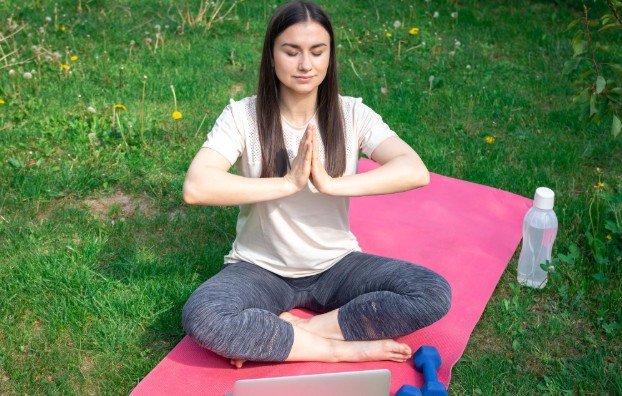
I think meditation meant sitting perfectly still with an empty mind. That idea made me avoid it for years because my thoughts never stopped. The moment I closed my eyes, my brain jumped from work tasks to messages, errands, worries, and random memories.
That changed when I learned that meditation is not about forcing silence. It is about giving the mind one gentle place to return. Simple Meditation Techniques for Busy Minds can help you slow down without needing a perfect setting, long routine, or complete quiet.
Why Busy Minds Struggle With Meditation
A busy mind is usually not a broken mind. It is often an overloaded one. When your day is packed with screens, decisions, noise, and constant notifications, your brain keeps processing even when your body stops.
That is why many beginners feel restless during meditation. Thoughts appear quickly, the body fidgets. Silence feels uncomfortable. But this does not mean meditation is not working.
The goal is not to remove every thought. The goal is to notice when your attention wanders and gently bring it back. That simple return is the practice.
Simple Meditation Techniques That Actually Feel Easy
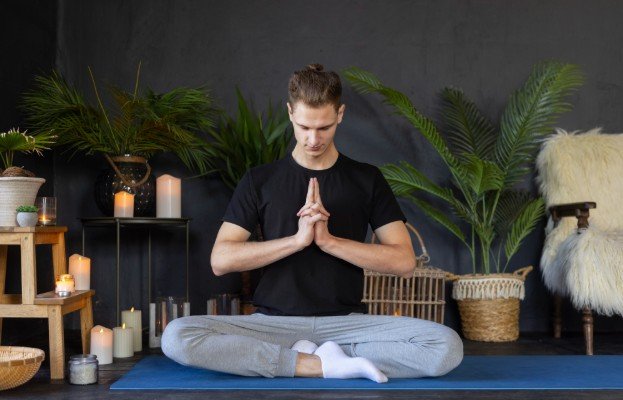
Start With a One-Minute Breath Reset
This is the easiest technique when I feel mentally scattered. Sit comfortably, relax your shoulders, and breathe in through your nose. Then breathe out slowly. Do this for one minute. You do not need special music or perfect posture. Just notice the air moving in and out. When your thoughts wander, quietly say, “back to breathing.” This keeps the practice simple and beginner-friendly.
Try Counting Your Breaths
Counting gives a busy mind something clear to follow. Breathe in and count one. Breathe out and count two. Continue until ten, then begin again.
If you lose track, restart at one without judging yourself. This method works well when your thoughts feel fast or scattered because counting creates a soft mental anchor.
Use the 5-4-3-2-1 Grounding Practice
This technique is helpful when stress feels physical. Look around and name five things you can see. Then notice four things you can feel, three things you can hear, two things you can smell, and one thing you can taste.
It brings your attention back into the present moment. I like this method because it works even with open eyes, making it useful at a desk, in a parked car, or before a stressful conversation.
Do a Short Body Scan
A body scan helps release tension you may not notice. Start at your forehead and slowly move attention down through your face, jaw, neck, shoulders, chest, stomach, legs, and feet. You do not need to change anything. Just notice where your body feels tight or relaxed.
This technique is especially useful before sleep because it shifts attention away from racing thoughts and back into the body.
Practice Walking Meditation
Not every meditation requires sitting still. Walking meditation is perfect for restless energy. Walk slowly and notice each step. Feel your heel touch the ground, then your foot rolls forward, then your toes lift. Keep your attention on movement. If your mind wanders, return to your steps. This can turn a short walk into a calming reset.
How to Build a Daily Meditation Habit
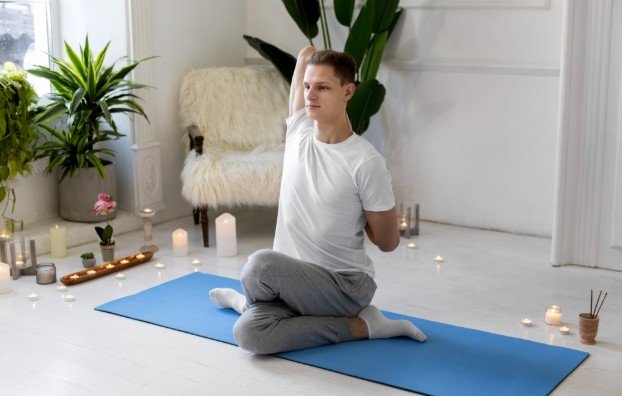
The easiest way to build a habit is to make meditation too small to skip. Start with one or two minutes a day. Choose a clear trigger, such as after brushing your teeth, before opening your laptop, or before bed. This helps meditation become part of your routine instead of another task you have to remember.
You can also keep it flexible. Some days may be quiet breathing. Other days may be walking meditation or grounding. The method matters less than the consistency. Simple Meditation Techniques for Busy Minds work best when they feel realistic. A five-minute practice you actually do is better than a thirty-minute routine you keep avoiding.
Common Beginner Mistakes to Avoid
The first mistake is expecting instant calm. Some sessions feel peaceful. Others feel messy. Both count. The second mistake is trying too hard to stop thoughts. The harder you fight your mind, the louder it often becomes.
The third mistake is waiting for the perfect environment. Meditation can happen with background noise, distractions, and imperfect timing. The fourth mistake is judging yourself for missing days. Just return the next day. A calm habit is built through practice, not pressure.
Frequently Asked Questions
1. What are the best Simple Meditation Techniques for Busy Minds?
The best techniques are breath counting, one-minute breathing, grounding, body scanning, walking meditation, and guided meditation. These methods are simple because they give your attention a clear focus.
2. Can I meditate if my mind never stops thinking?
Yes. A wandering mind is normal. Meditation teaches you to notice thoughts without following every one of them.
3. How long should beginners meditate?
Start with one to five minutes. Once it feels natural, you can slowly increase the time.
4. Is guided meditation good for beginners?
Yes. Guided meditation is helpful because a voice leads you through the process, making it easier to stay focused.
A Calmer Way Forward
I no longer see meditation as a strict routine I have to perform perfectly. I see it as a small pause I can return to whenever my mind feels full.
The beauty of Simple Meditation Techniques for Busy Minds is that they fit into real life. You can use them before work, after scrolling, before sleep, or during a stressful day. A calmer mind often begins with one slow breath, one small pause, and one gentle return.