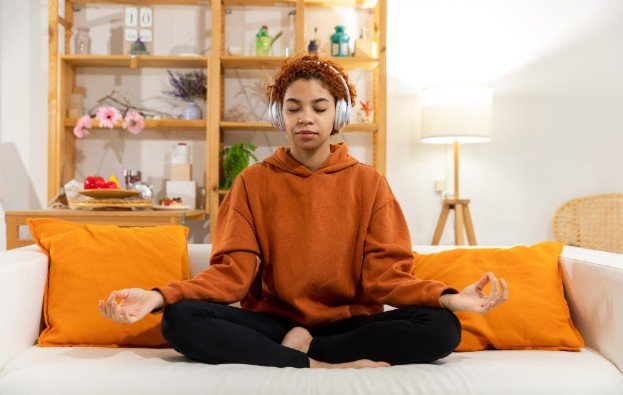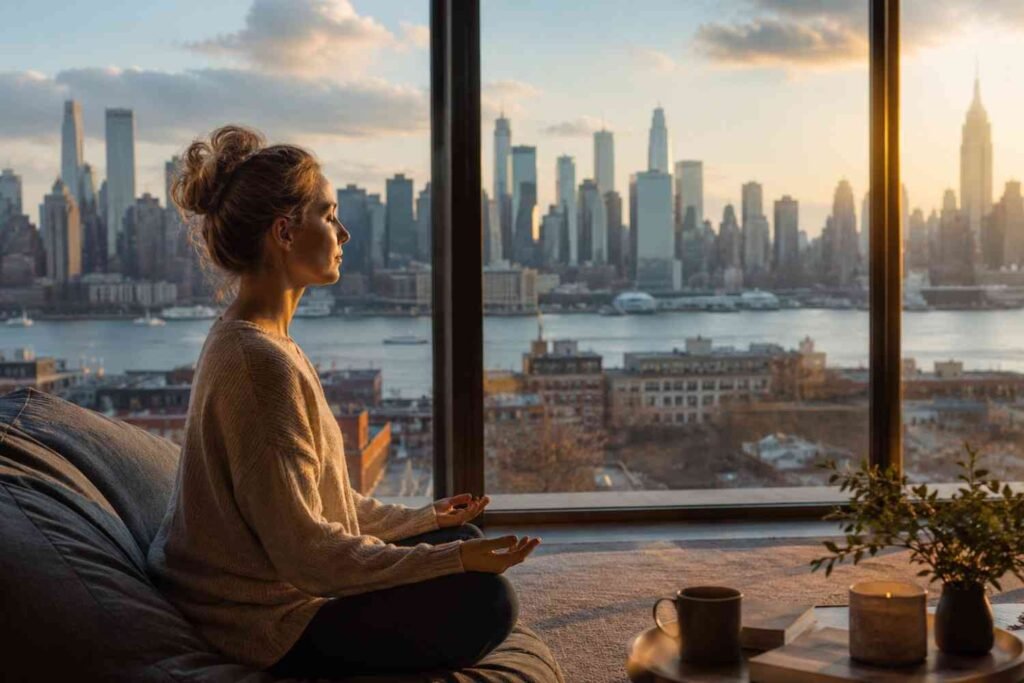

Meditation was only about sitting still and clearing my mind. But the more I practiced, the more I realized it was actually helping me understand myself. Meditation for Self-Reflection and Inner Growth gave me space to notice my thoughts, question my habits, and reconnect with what truly mattered.
What Self-Reflection Meditation Really Means
Self-reflection meditation is the practice of sitting quietly and observing your inner world. Instead of forcing thoughts away, you notice them with patience. You look at your emotions, reactions, fears, hopes, and patterns without judging yourself.
This kind of meditation is not about becoming perfect. It is about becoming more honest with yourself. When you slow down, you begin to understand why you react a certain way, why some situations hurt more deeply, and what changes you may need to make.
Why Meditation Supports Inner Growth
Inner growth starts when you become aware of yourself. Many people move through life reacting automatically. They stay busy, distracted, and emotionally overloaded. Meditation creates a pause between what happens and how you respond.
That pause is powerful. It helps you see your emotions clearly instead of being controlled by them. Over time, this can improve patience, confidence, stay in emotional balance, and decision-making.
Meditation also helps you separate outside noise from inner truth. You may begin to notice which goals are truly yours and which ones came from pressure, comparison, or fear.
How to Start a Self-Reflection Meditation Practice
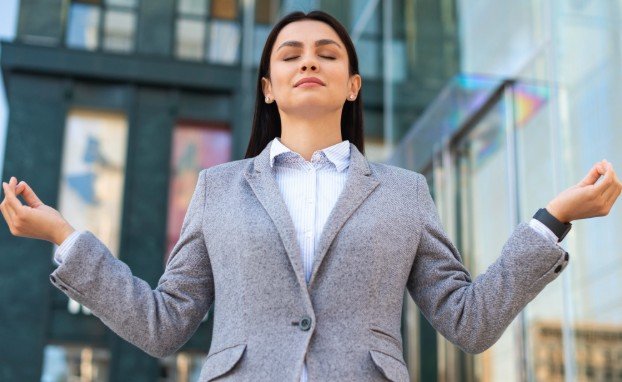
You do not need a perfect space, expensive tools, or long sessions. Start with five to ten minutes a day. Sit comfortably, close your eyes, and breathe slowly.
Focus on your breath first. When thoughts appear, do not fight them. Simply notice them. Ask yourself one gentle question, such as, “What am I feeling today?” or “What do I need to understand about myself right now?”
Best Questions to Ask After Meditation
The right questions can turn a simple meditation session into a powerful self-discovery practice. You can ask yourself: What emotion keeps showing up in my life? What am I avoiding? What do I need to forgive myself for? What habit is holding me back? What would help me feel more peaceful today?
These questions work best when you answer honestly. You do not need perfect answers. You only need willingness.
Benefits of Self-Reflection Meditation
One major benefit is emotional clarity. Meditation helps you understand what you feel before those emotions turn into stress, anger, or anxiety.
It can also improve self-awareness. You start managing your emotional triggers, repeated thoughts, and hidden fears. This awareness makes personal growth easier because you finally know what needs attention.
Another benefit is better focus. When your mind becomes calmer, you can think more clearly and make better choices. You may also feel more connected to your values, purpose, and long-term goals.
Common Mistakes Beginners Should Avoid

The first mistake is expecting instant peace. Some meditation sessions feel calm, while others feel messy. Both are normal. Another mistake is judging your thoughts. The goal is not to stop thinking. The goal is to observe your thoughts without getting lost in them.
Many beginners also skip reflection after meditation. If you want deeper growth, take one or two minutes to write down what you noticed. Small insights can become major breakthroughs over time.
How to Turn Meditation Insights Into Real Change
Insight alone is not enough. After meditation, choose one small action based on what you learned. If you notice stress, create a calmer evening routine. If you notice fear, take one brave step. If you notice resentment, consider a healthy conversation or personal boundary.
Growth becomes real when reflection leads to action. Keep it simple. One small shift repeated daily can change how you think, feel, and live.
Frequently Asked Questions
1. How often should I practice self-reflection meditation?
Practicing daily is helpful, but even three or four times a week can make a difference. Start small and stay consistent.
2. Can beginners try this type of meditation?
Yes. Beginners can start with five minutes, slow breathing, and one simple reflection question.
3. What is the purpose of Meditation for Self-Reflection and Inner Growth?
The purpose is to help you understand your thoughts, emotions, patterns, and personal direction with more honesty and calm awareness.
4. Should I journal after meditation?
Yes, journaling helps capture your thoughts before they fade. It also helps you track emotional patterns and personal progress.
Final Thoughts
When I made meditation part of my routine, I stopped seeing it as a task and started seeing it as a quiet meeting with myself. Meditation for Self-Reflection and Inner Growth helped me slow down, listen inward, and notice the parts of myself I had ignored for too long.
The real power is not in doing it perfectly. It is in returning to yourself again and again with patience, honesty, and care.